Taught by Great Hearts Educators — classically trained, in live instruction.
Virtualis students are taught by classically trained faculty provided through our partnership with Great Hearts Online, one of the most respected names in classical education in America. Every Virtualis instructor is formed in the classical liberal arts tradition and committed to the intellectual, moral, and spiritual formation of each student.
This partnership means our families receive the same rigorous, Socratic instruction that has defined Great Hearts academies for over two decades — delivered live, online, and ordered toward the knowledge and love of God.
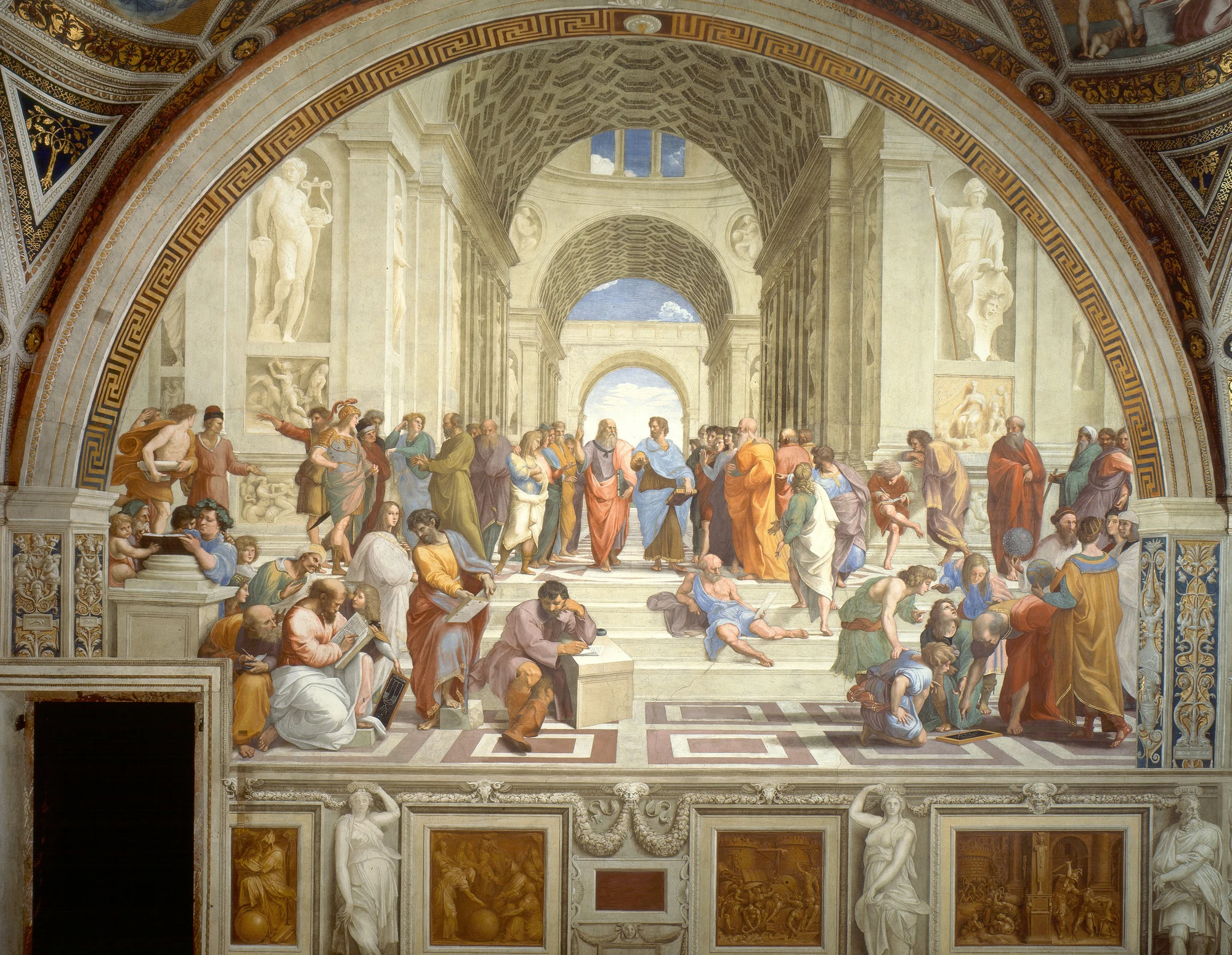
The Teachers of the Tradition
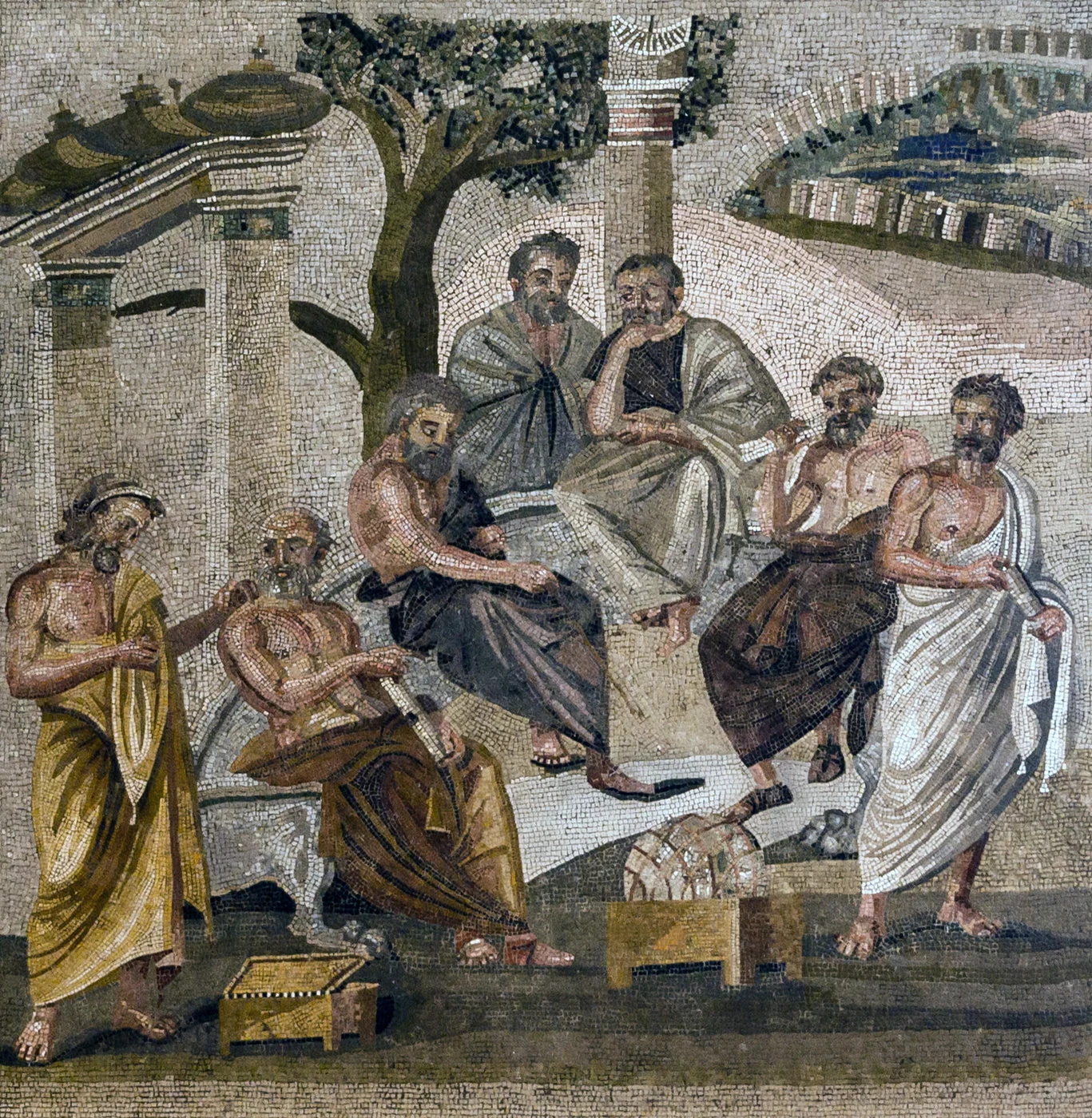
Six scholars — across two millennia — who show what a classical teacher is. The Great Hearts faculty who meet our students belong to this unbroken line.

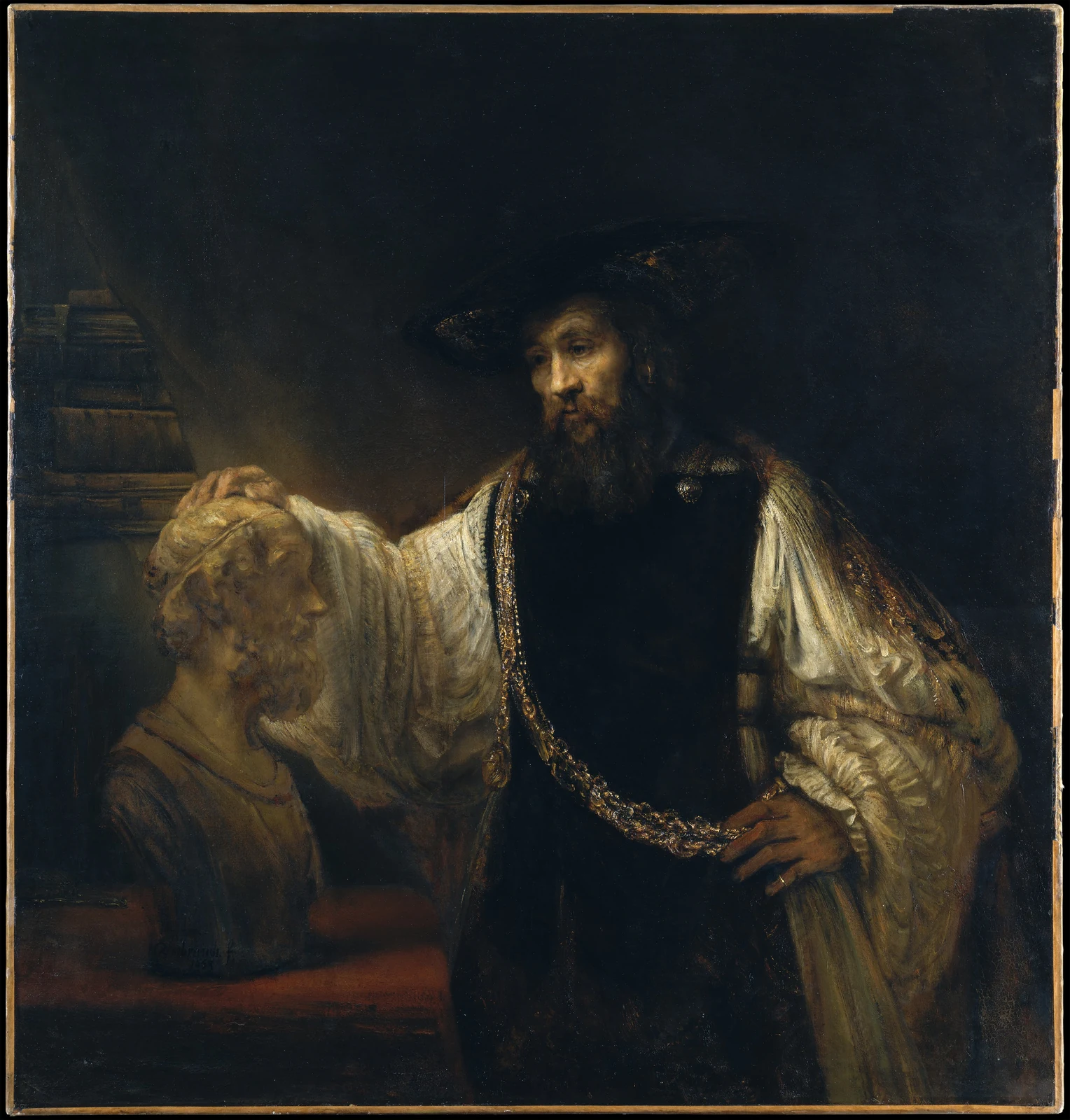
A Learned Heart
Teachers of this mold — patient, learned, devoted to the classics — form the Great Hearts faculty corps that Virtualis students meet in live seminars.
A Patient Guide
Teachers of this mold — patient, learned, devoted to the classics — form the Great Hearts faculty corps that Virtualis students meet in live seminars.
A Socratic Conversation
Teachers of this mold — patient, learned, devoted to the classics — form the Great Hearts faculty corps that Virtualis students meet in live seminars.

A Voice for Truth
Teachers of this mold — patient, learned, devoted to the classics — form the Great Hearts faculty corps that Virtualis students meet in live seminars.

A Love of Order
Teachers of this mold — patient, learned, devoted to the classics — form the Great Hearts faculty corps that Virtualis students meet in live seminars.
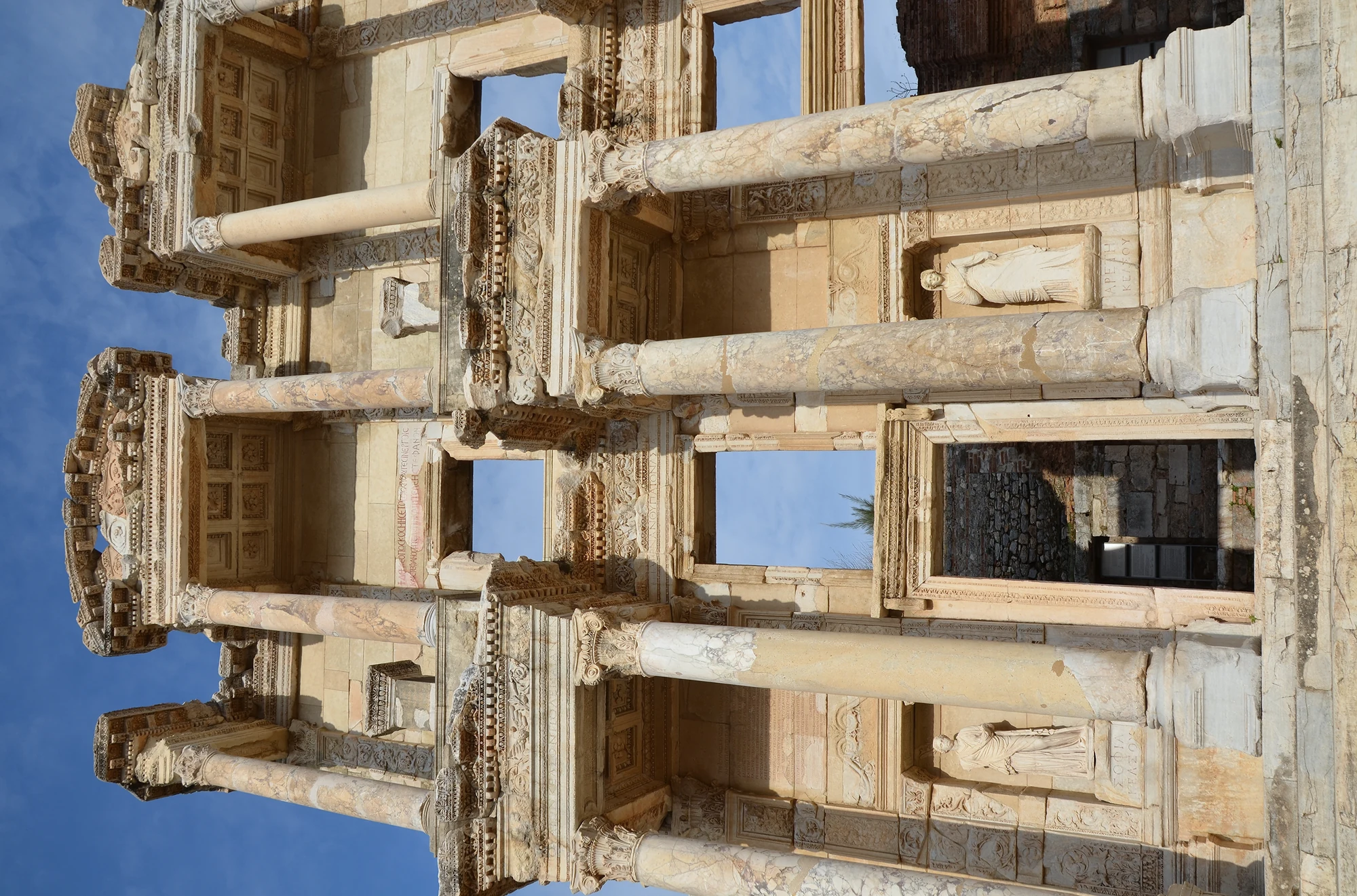
The Great Books at Hand
Teachers of this mold — patient, learned, devoted to the classics — form the Great Hearts faculty corps that Virtualis students meet in live seminars.
Our Partnership with Great Hearts
Virtualis partners with Great Hearts Online to deliver a classical liberal arts education of the highest caliber. Great Hearts is one of the largest and most acclaimed classical education networks in the country, operating 47 schools across three states with more than two decades of proven results.
Through this partnership, Virtualis families benefit from a faculty that has been recruited, trained, and mentored in the Great Hearts tradition — educators who understand that the purpose of education is the formation of wise, virtuous, and thoughtful human beings.
Jamee Twardeck leads the Great Hearts Online National Academy program, bringing years of classical education leadership to the partnership. Under her guidance, the online program maintains the same standards of excellence that define Great Hearts brick-and-mortar academies.
At Virtualis, teaching is not a delivery system. It is a vocation — a calling received from God. Our faculty approach the classroom as mentors, not lecturers, guiding students through the Great Books, Socratic dialogue, and the classical liberal arts toward a life ordered to Christ in wisdom, virtue, and purpose.
“Be imitators of me, as I am of Christ.”— 1 Corinthians 11:1
What Defines a Great Hearts Teacher
Six commitments shared by every educator in the Great Hearts classroom.
In the tradition of Socrates and St. Thomas Aquinas, our teachers pose careful questions that draw students into genuine discovery and shared inquiry.Socratic Method
Our teachers are formed in the classical liberal arts tradition, understanding subjects as interconnected dimensions of a unified search for truth revealed by God.Classical Training
Each teacher sees their role as that of a mentor — accompanying students on their intellectual and spiritual journey with the patience and care of a shepherd.Mentorship
Our faculty model a genuine love of the liberal arts, demonstrating that education is not about grades but about the contemplation of truth, goodness, and beauty — which find their source in God.Love of Learning
Classical education forms the whole person. Our teachers cultivate the cardinal virtues — prudence, justice, fortitude, and temperance — and the theological virtues of faith, hope, and charity.Character Formation
Every class is taught live by a real teacher — not pre-recorded. Students engage in real-time discussion, questions, and collaborative learning with their cohort.Live Instruction
Common Questions About Our Teachers
Your child’s academic courses are taught by Great Hearts Online faculty — classically trained educators who have been recruited, mentored, and formed in the Great Hearts tradition. Individual faculty profiles for the upcoming academic year will be published as they become available.
Yes. Every Great Hearts teacher is formed in the classical liberal arts tradition and committed to the Socratic method. This is not a curriculum that teachers deliver — it is a tradition in which they have been formed.
We welcome families to reach out and learn more about our teaching team. Request a conversation and we will be in touch to arrange introductions.
Yes. Every academic class at Virtualis is taught live by a real teacher — not pre-recorded video. Students engage in real-time Socratic discussion, ask questions, and learn in active conversation with their cohort.