FIDES · VERITAS · VIRTUS · ANNO DOMINI MMXXVI
Our Mission

To Form the Whole Person

To form students in the truth of Christ and the love of learning through the classical tradition—cultivating wisdom, virtue, and the pursuit of truth in every student entrusted to our care.
A school for everyone. Classical education was born in public squares, not private estates. Socrates taught in the agora. The medieval cathedral schools were open to all. Virtualis carries this tradition forward—making a classical Christian formation accessible to families across Arizona through ESA-approved online learning.
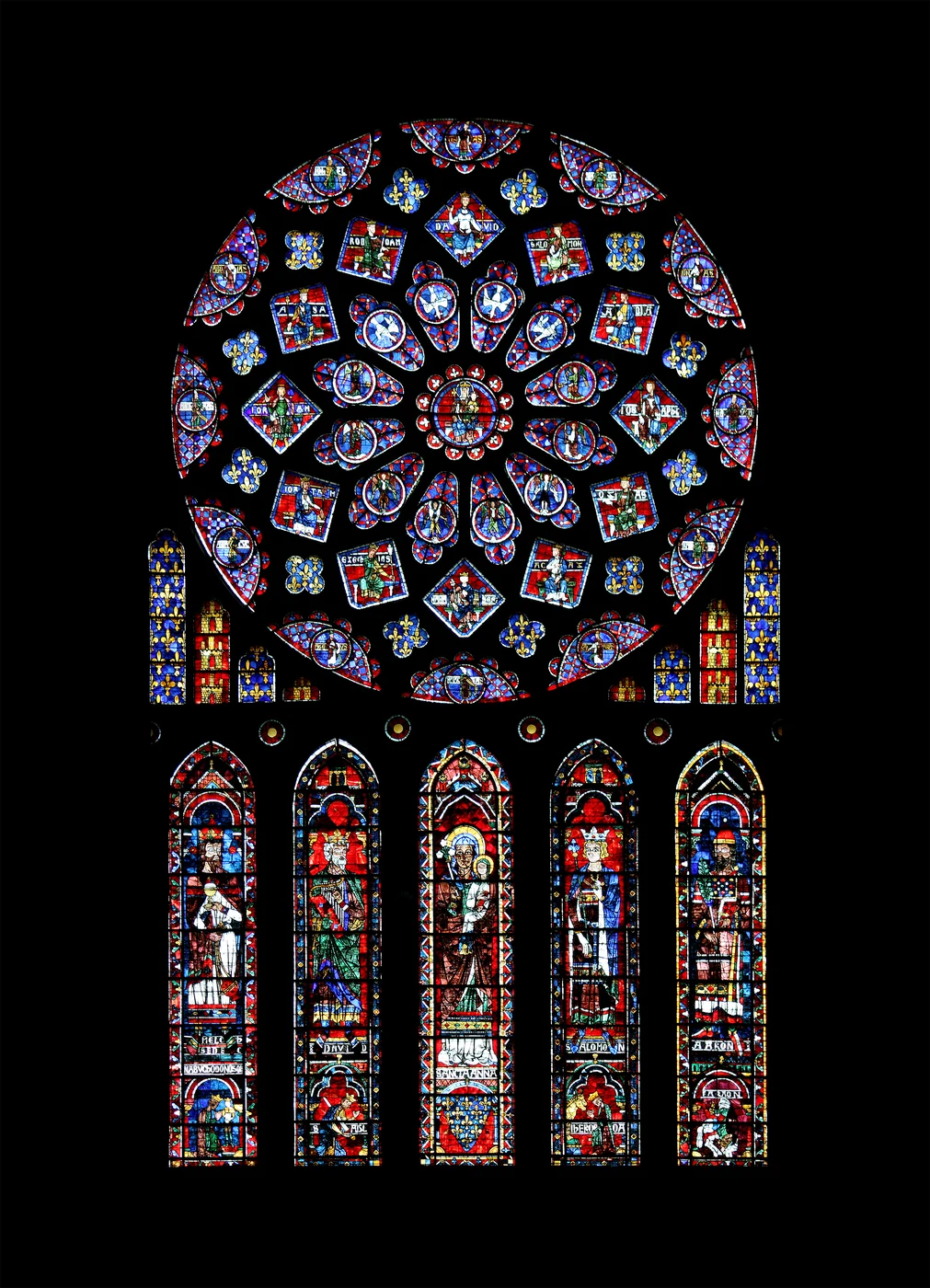
Chartres Cathedral rose window, north transept, c. 1235 — a radiant pattern of truth and beauty
Chartres Cathedral · North Transept Rose Window, c. 1235
Christian · Classical · K–12 · Online · ESA Approved
✠ The Mission ✠

Formare Totum HominemTo Form the Whole Person

Virtualis exists to form the whole person—mind, body, and soul—through the liberal arts and the Great Books, ordered toward the pursuit of truth, the cultivation of virtue, and the love of God.

Real classical education is not merely a curriculum or pedagogical strategy. It is a vision of the human person and a tradition of formation. It is a time-tested model of learning that shaped Western civilization—educating the saints and scholars of the early Church, the statesmen of the American founding, and the poets, philosophers, and scientists who laid the intellectual foundations of modernity.

At Virtualis, we recover this tradition and deliver it to families across Arizona through live, Socratic, online instruction powered by Great Hearts Academies—one of the largest and most respected classical school networks in America.

Virtualis Education Corporation · Founded Anno Domini MMXXIV

Movement II

What We Believe

Four convictions that govern everything we do


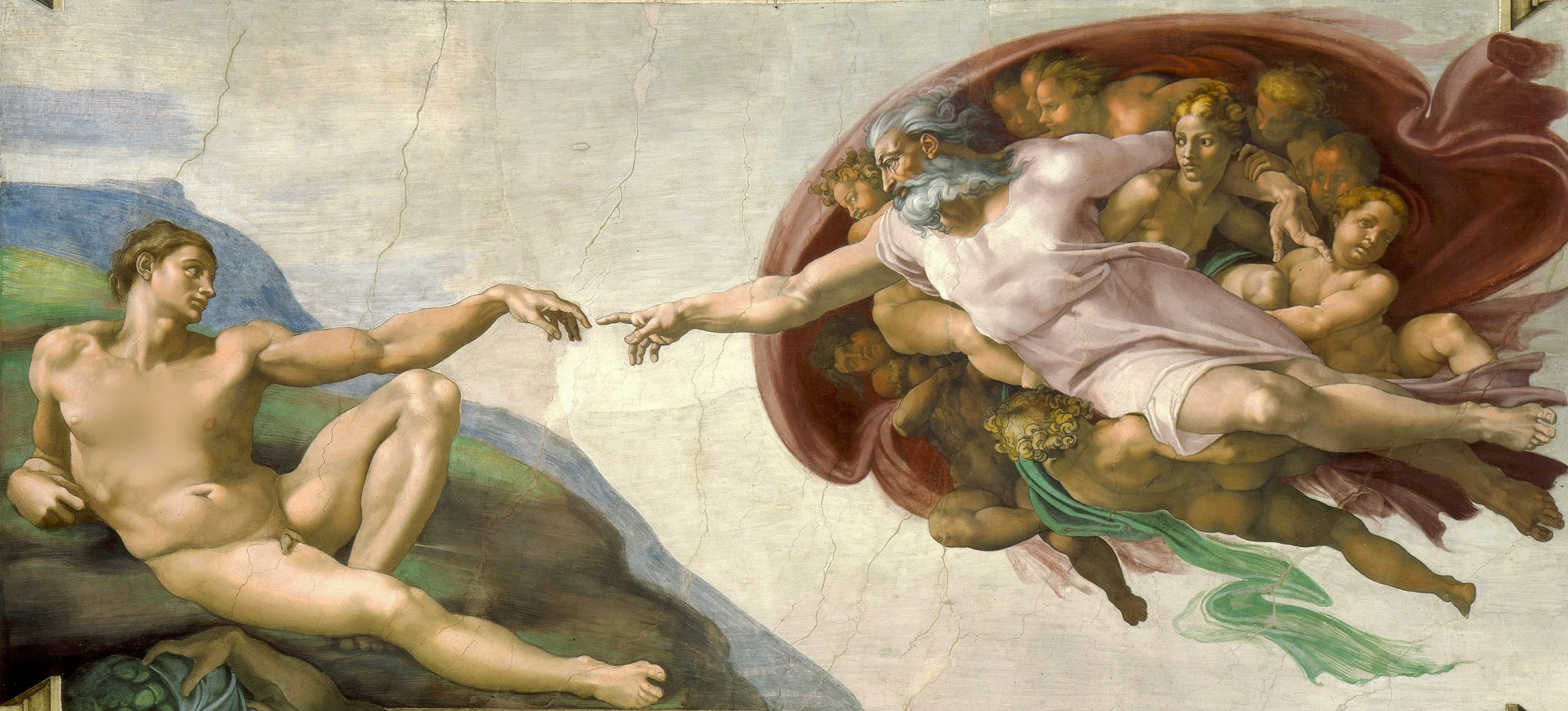
Michelangelo, Creation of Adam, c. 1512, Sistine Chapel ceiling
Imago Dei

Every Child Bears God's Image

The Foundation of Our Anthropology

A student is not simply a brain to fill or a future employee to train, but a moral and spiritual being made in the image of God—rational, capable of virtue, moved by beauty, and ordered to eternity.

Botticelli, Saint Augustine in His Study, c. 1480
Formatio, Non Productio

Education Is Formation

Not Information, but Transformation

Classical education asks: Who is this student becoming? Are they learning to love what is good? Are they being shaped for a life of wisdom—not just utility?

Chartres Cathedral rose window, c. 1235
Verum, Bonum, Pulchrum

Truth, Goodness, and Beauty Are Real

The Transcendentals of Classical Education

These are not preferences or opinions. They are the structure of reality itself—knowable by the human mind, loved by the human heart, and ordered toward the God who is their source.

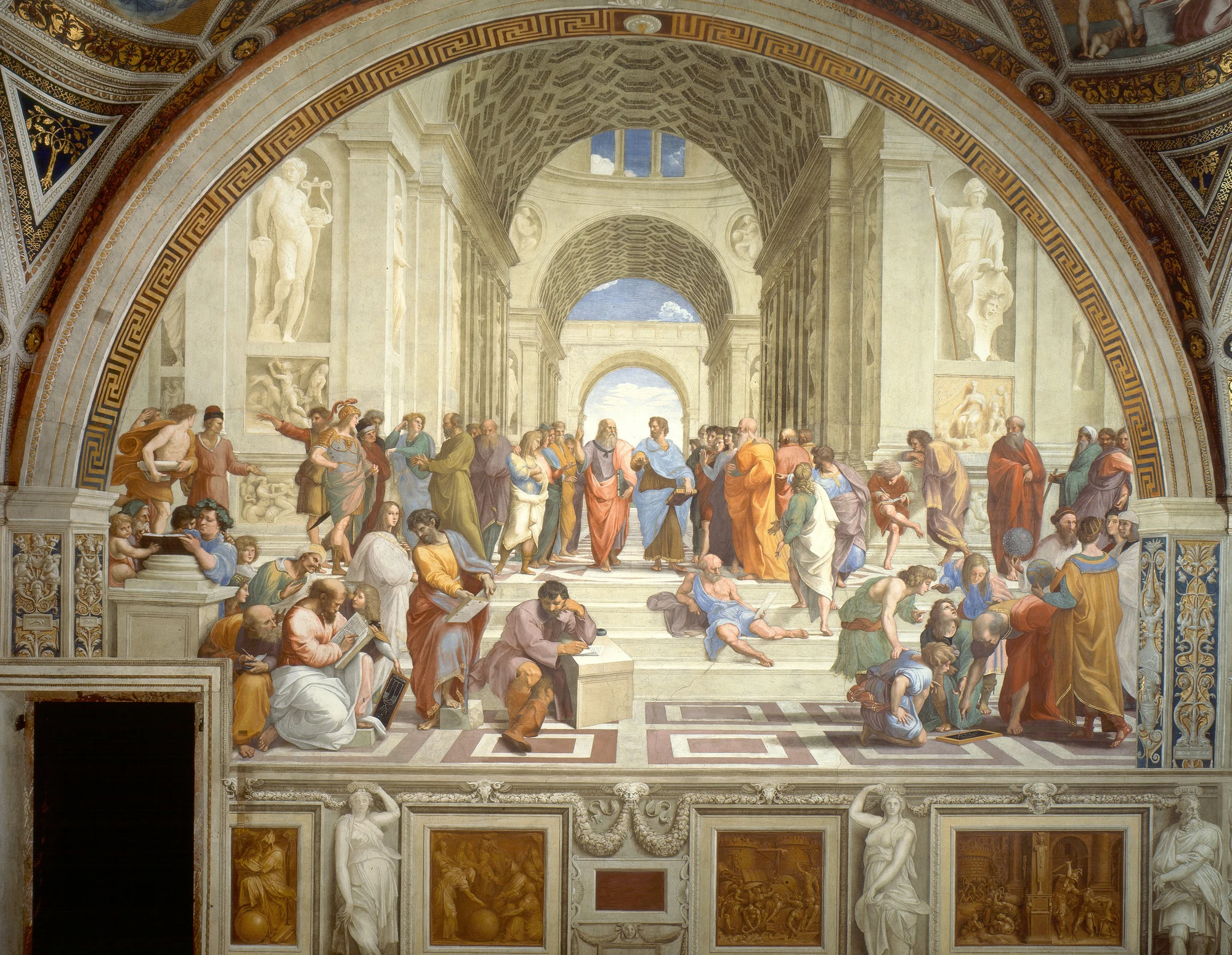
Raphael, The School of Athens, c. 1509–1511, Vatican Stanze
Universalis Hereditas

The Classical Tradition Belongs to Everyone

A Universal Patrimony of Wisdom

Classical education was born in public squares, not private estates. Socrates taught in the agora. The medieval cathedral schools were open to all. This tradition belongs to every family willing to pursue truth.

Movement III

How We Teach

The Socratic method, live classes, and the Great Hearts partnership


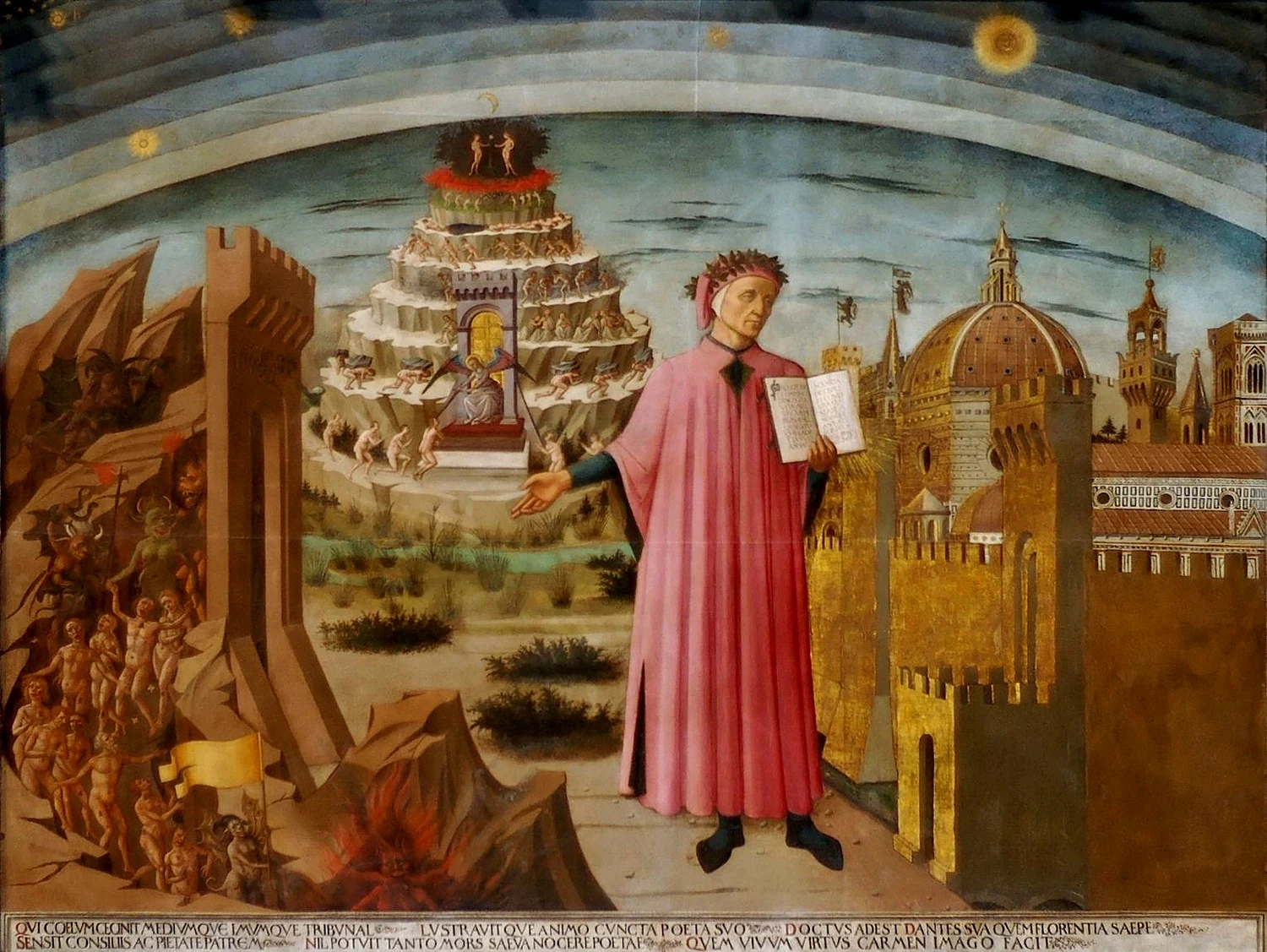
Domenico di Michelino, Dante and the Divine Comedy, 1465, Florence Cathedral
Domenico di Michelino · Dante and the Divine Comedy, 1465

Virtualis partners with Great Hearts Academies—one of the largest and most respected classical school networks in America—to deliver a rigorous, time-tested curriculum through live online instruction.

Every class meets live, in real time, in small Socratic cohorts. The formative work—Socratic dialogue, Great Books discussion, mathematical proof, Latin recitation—happens synchronously with a teacher and the same peers every day. Independent reading, writing, and problem sets are completed asynchronously between classes on the student's own schedule.

This is not a self-paced video platform. It is a school—with teachers who know your child's name, classmates who become intellectual companions, and a daily rhythm of study that forms habits of mind and heart.

The Socratic method—the oldest and most demanding form of classroom instruction—requires students not merely to absorb information but to think: to question, to defend, to revise, and to discover truth through disciplined conversation.

Pillar I

Christian Identity

Virtualis is governed by founders formed in the Catholic intellectual tradition. Our Christian character is ingrained in the classical pedagogy itself—found in the Great Books students read, the Latin they learn, the questions their teachers ask, and the philosophical framework of every subject. The classical tradition has been Christian in its DNA for two thousand years. We do not add Christianity to a secular program; we recover the tradition as it actually is.

Pillar II

Vitae Health Partnership

Virtualis families have access to live pediatric telemedicine through our partnership with Vitae Health—a Christian holistic health program founded and led by Dr. Dana Rodriguez, PhD. Wellness consultations, developmental screenings, and parent coaching are available now and ESA-eligible.

Pillar III

Vitae Formation

A first-of-its-kind K–12 health formation curriculum currently in active authoring by Vitae Catholica. When it launches, Vitae Formation—anchored by the Quintivium textbook series—will become a required core subject for every Virtualis student, equal in stature to Math, English, Science, and History in the weekly schedule.

Coming Soon
Pillar IV

The Twelve Liberal Arts

The classical Trivium (Grammar, Logic, Rhetoric) and Quadrivium (Arithmetic, Geometry, Music, Astronomy) have governed liberal education for two millennia. The Quintivium extends this inheritance with five arts of the human person—Body, Mind, Ethics, Theology, Politics—forming a complete twelve-art Christian liberal education: the third pillar of the liberal arts.

“And you shall teach them diligently to your children, and shall talk of them when you sit in your house, and when you walk by the way, and when you lie down, and when you rise.”
Deuteronomy 6:7 · RSV-CE
Movement VI

Our Commitment to Families

This booklet was written not merely to inform—but to invite.


Virtualis was born from a singular conviction: that students deserve to be formed, not just taught. What we offer is not an experiment or a trend. It is a return to what education was always meant to be.

We honor the diversity of families and the uniqueness of each child. Classical education is a powerful and transformative model, but we recognize that it may not be the best fit for every family. That honesty is part of our commitment to you.

Whether you choose to pursue the classical track or remain on another path, our commitment is the same: to educate with honesty, to treat every inquiry personally, to walk families through enrollment, and to be transparent about whether Virtualis is the right fit for your child.

We believe this work matters. Not just for school. Not just for college or career. But for the shaping of souls.

At Virtualis, we believe that every student is made in the image of God—with a mind to shape, a heart to form, and a purpose to fulfill.

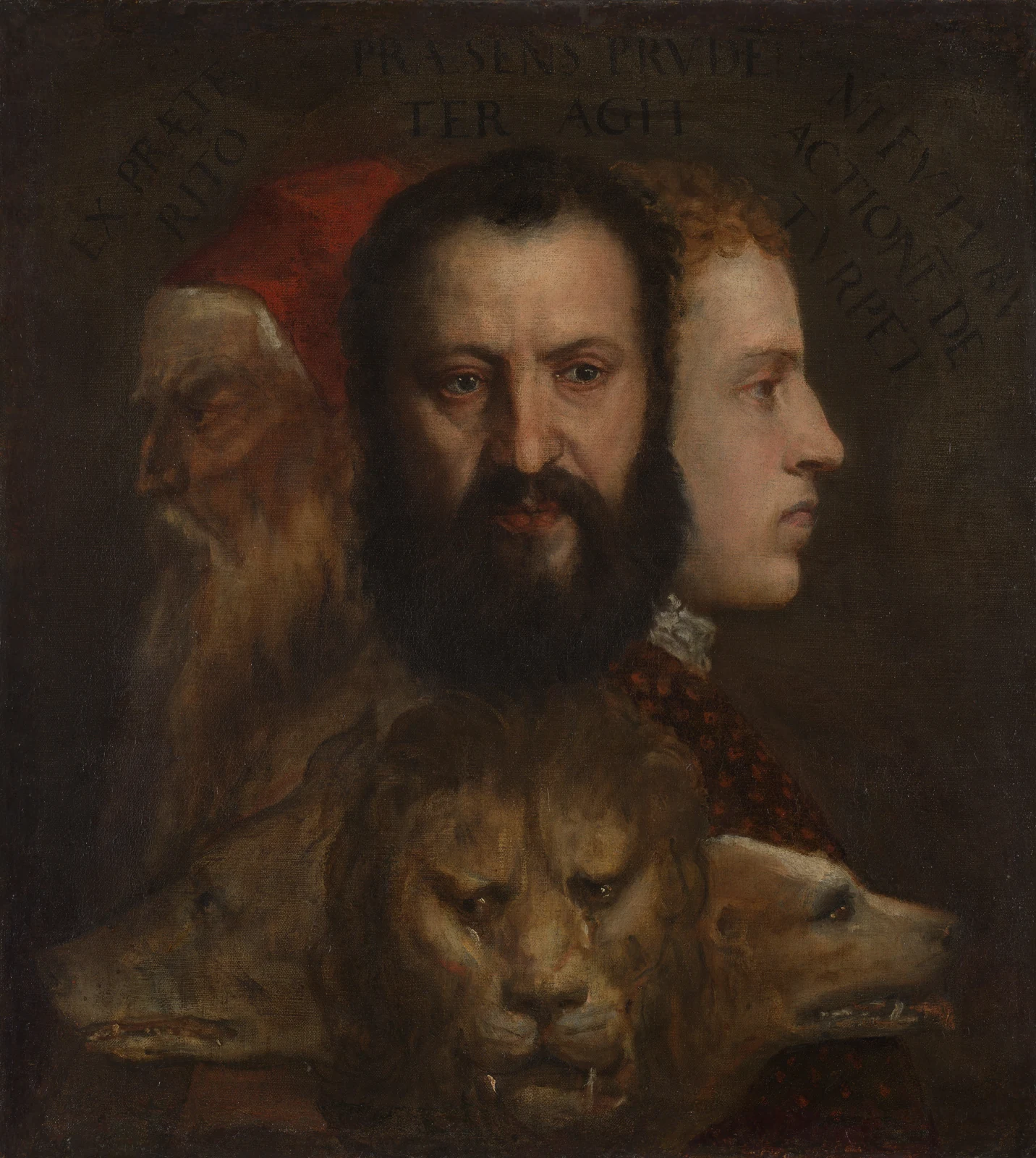
Titian, Allegory of Prudence, c. 1550–1565, National Gallery, London
Titian · Allegory of Prudence, c. 1550–1565
Movement VII

Common Questions

Honest questions deserve honest answers


What is your mission?+

To form the whole person—mind, body, and soul—through the liberal arts and the Great Books, ordered toward the pursuit of truth, the cultivation of virtue, and the love of God. We partner with Great Hearts Academies to deliver a rigorous classical curriculum through live, Socratic, online instruction.

Is Virtualis a Catholic school?+

Virtualis is a Christian classical school governed by founders formed in the Catholic intellectual tradition. Our Christian character is ingrained in the classical pedagogy itself—in the Great Books students read, the Latin they learn, and the philosophical framework of every subject. Catholic and Christian families recognize this instantly; families of other backgrounds are welcome without sacramental requirement.

How is this different from homeschool?+

Virtualis is a fully structured school with professional teachers, daily live classes, small Socratic cohorts, graded assignments, and academic records. Students attend class from home, but the experience is that of a school—with teachers who know your child by name and classmates who become intellectual companions.

What grades do you serve?+

Virtualis serves students in grades K–12. The Great Hearts curriculum is adapted for each developmental stage: the Grammar stage (K–5) builds foundational knowledge, the Logic stage (6–8) develops reasoning, and the Rhetoric stage (9–12) cultivates eloquent, persuasive expression.

Is the school accredited?+

Virtualis is an ESA-approved school in Arizona. We are pursuing accreditation through recognized accrediting bodies. Our academic program is powered by Great Hearts Academies, which holds accreditation across its national network of schools. See our accreditation page for current status and details.

How do I enroll?+

Visit our enrollment page to begin the application process, or request information to speak with our admissions team. We walk every family through enrollment personally and are happy to help you determine whether Virtualis is the right fit for your child.

Begin the Journey

You are choosing to educate your child in a way that is timeless, rooted, and radiant with hope. You are choosing truth, beauty, and goodness—in a world that too often forgets all three.

Enroll Now Request Info
May God bless the work of your hands,
the labors of your heart,
and the formation of your children.
Zeus Rodriguez · Founder
Enroll for Fall 2026Limited seats · ESA approved
Enroll Now