
A Shelf for Every Year
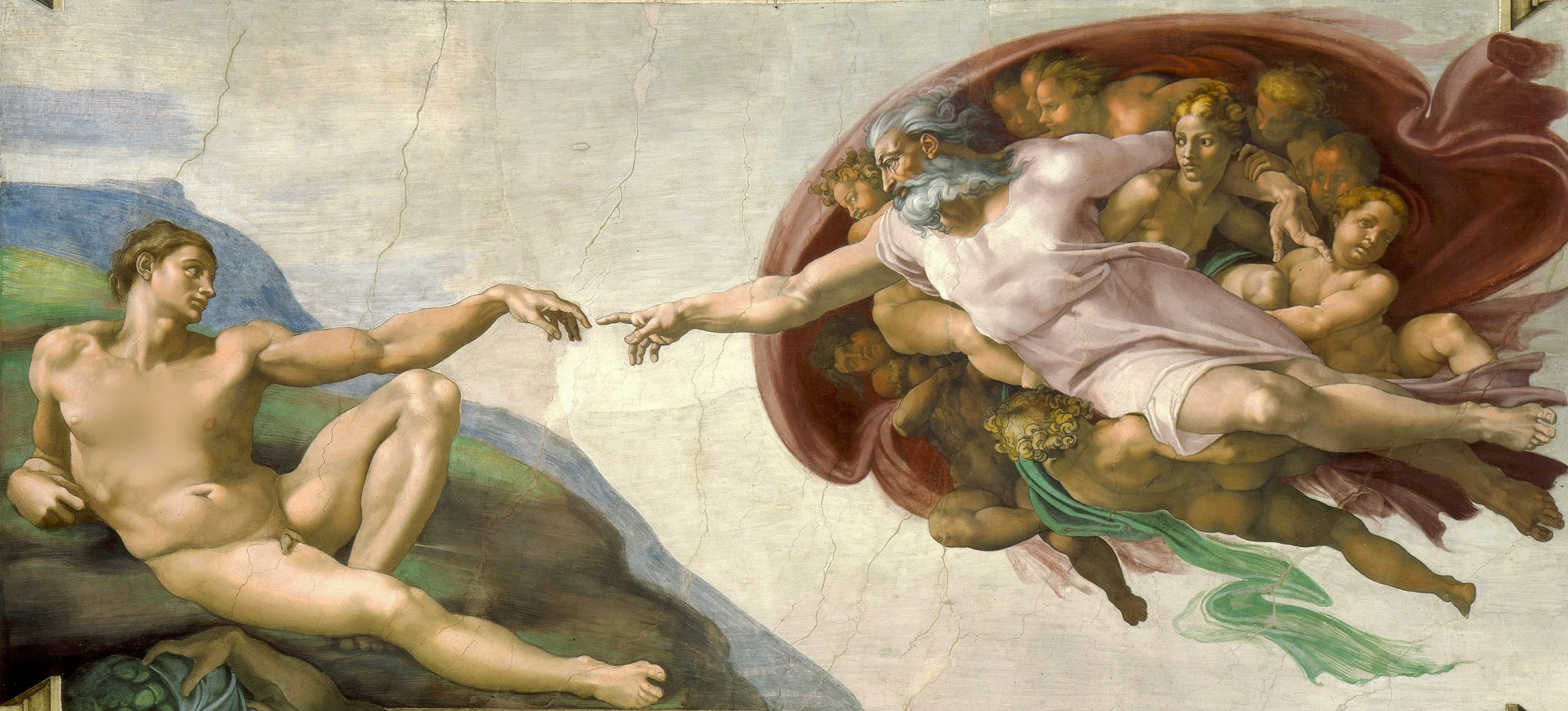
These are not assignments. They are encounters — with Homer, Plato, Augustine, Dante, Shakespeare, Dostoevsky, and the mind of God working through the mind of man. Every book on this shelf has survived because it speaks to what is permanent in the human condition.
The Books That Made the West
There is a conversation that has been going on for three thousand years. It began when Homer sang of the wrath of Achilles, and it has never stopped. Plato answered Homer. Aristotle answered Plato. Augustine answered them both, and Aquinas answered Augustine. Dante wove all of them into a single poem, and Shakespeare scattered them across a stage. Every great book is both a voice and an ear — it speaks and it listens to the books that came before it.
At Virtualis, we do not study about these books. We read them. Students sit with Homer and hear the grief of Priam. They wrestle with Plato’s cave and ask whether they are still inside it. They read Dostoevsky and discover that the deepest questions of faith were asked by a novelist, not a theologian. This is not a survey course. It is an apprenticeship in civilization.
The list below is not decorative. Every book on every shelf is assigned, read, and discussed in Socratic seminar. Wherever possible, we assign complete works. Where selections are used, they are generous and substantive — not thumbnail excerpts from an anthology. The student who graduates from Virtualis has read — cover to cover — the same books that educated Jefferson, Newman, and Tolkien.
The Children’s Reading Room
The Grammar Stage · Kindergarten through Fifth Grade

The Grammar Stage is where the love of reading begins. These books were chosen because they reward a child’s natural delight in story, in wonder, and in the sound of beautiful language read aloud.
From the gentle world of Little Bear to the moral courage of Charlotte’s Web, from the frontier grit of Laura Ingalls Wilder to the enchanted wardrobes of C.S. Lewis, every title on these shelves has survived the hardest test a children’s book can face: generation after generation of children who loved it.
In these years, students learn to read — and then they read to learn. The transition happens not through drills, but through stories so compelling that the child forgets she is reading at all.
 Little Bear
 Mouse Soup
 Mike Mulligan and His Steam Shovel
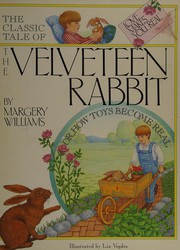 The Velveteen Rabbit
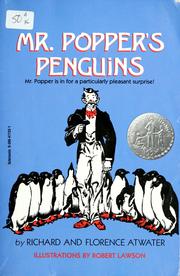 Mr. Popper’s Penguins
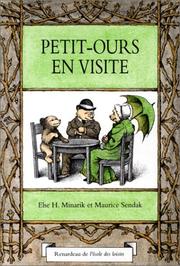 Little Bear’s Visit
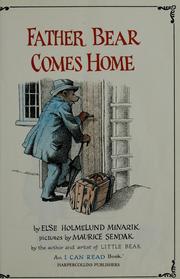 Father Bear Comes Home
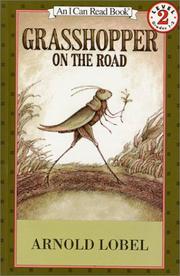 Grasshopper on the Road
 Owl at Home
 Frog and Toad Collection
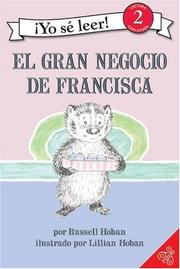 A Bargain for Frances
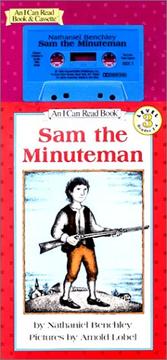 Sam the Minuteman
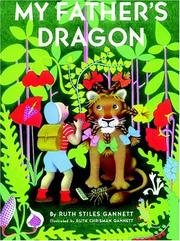 My Father’s Dragon
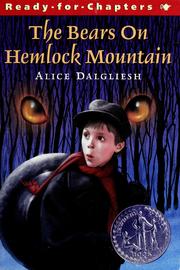 The Bears on Hemlock Mountain
 George the Drummer Boy
 The Tale of Peter Rabbit
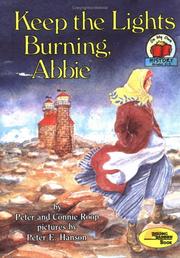 Keep the Lights Burning, Abbie
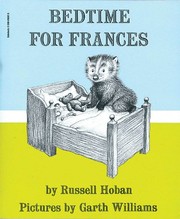 Bedtime for Frances
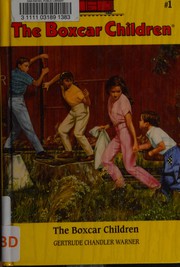 The Boxcar Children
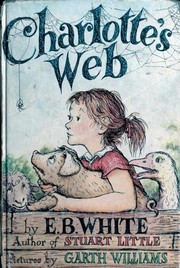 Charlotte’s Web
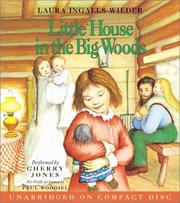 Little House in the Big Woods
 The Cricket in Times Square
 Sarah, Plain and Tall
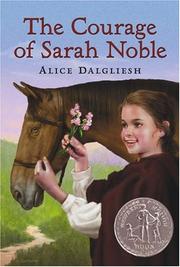 The Courage of Sarah Noble
 The Hundred Dresses
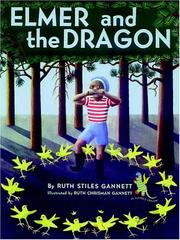 Elmer and the Dragon
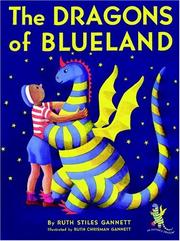 The Dragons of Blueland
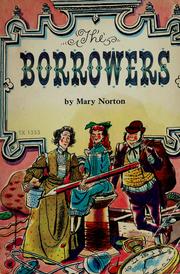 The Borrowers
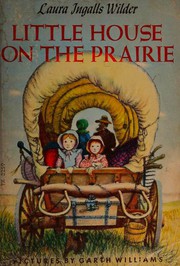 Little House on the Prairie
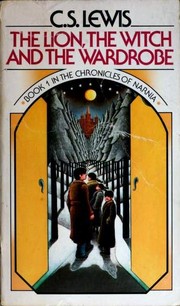 The Lion, the Witch and the Wardrobe
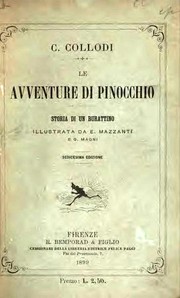 Pinocchio
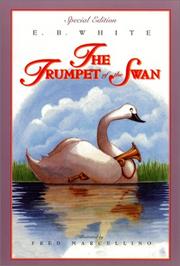 The Trumpet of the Swan
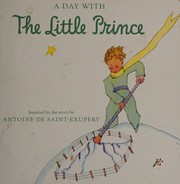 The Little Prince
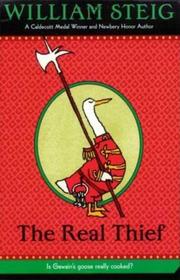 The Real Thief
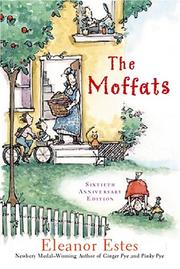 The Moffats
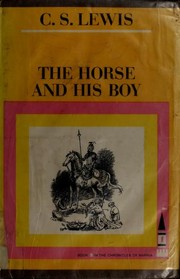 The Horse and His Boy
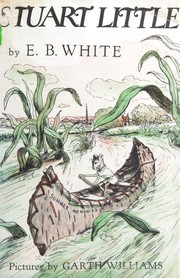 Stuart Little
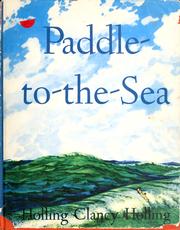 Paddle to the Sea
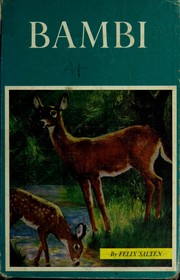 Bambi
Bambi
 Alice’s Adventures in Wonderland
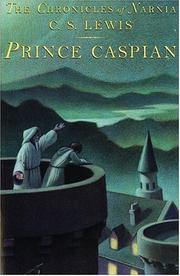 Prince Caspian
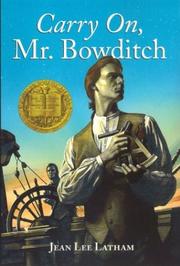 Carry On, Mr. Bowditch
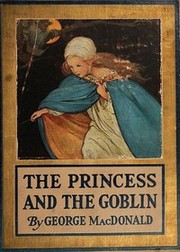 The Princess and the Goblin
 The Adventures of Robin Hood
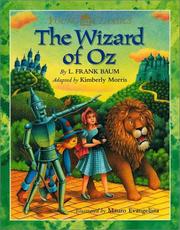 The Wonderful Wizard of Oz
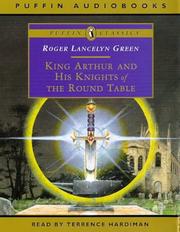 King Arthur and His Knights of the Round Table
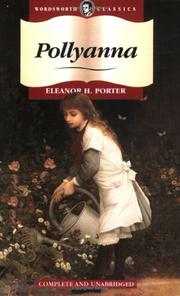 Pollyanna
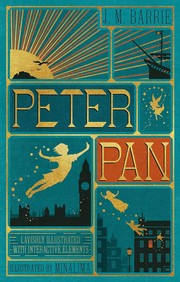 Peter Pan
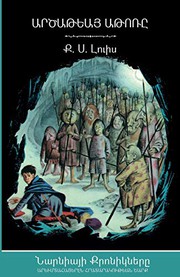 The Silver Chair
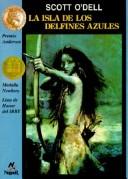 Island of the Blue Dolphins
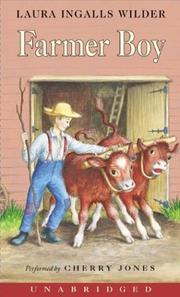 Farmer Boy
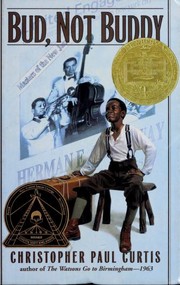 Bud, Not Buddy
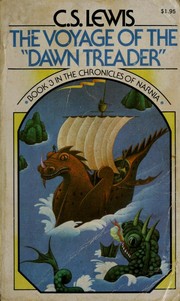 The Voyage of the Dawn Treader
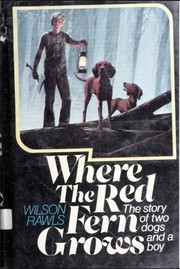 Where the Red Fern Grows
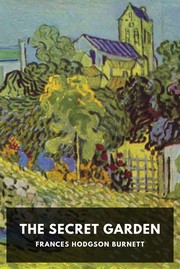 The Secret Garden
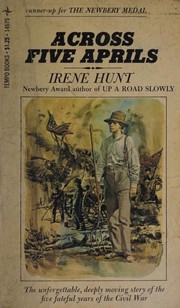 Across Five Aprils
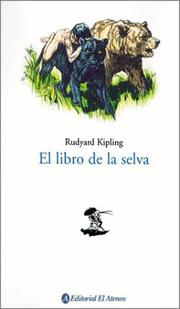 The Jungle Book
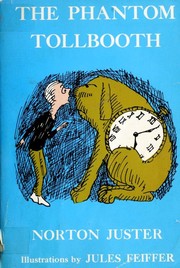 The Phantom Tollbooth
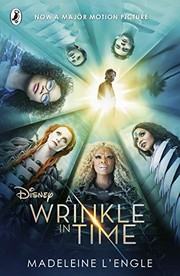 A Wrinkle in Time
 The Wise Woman
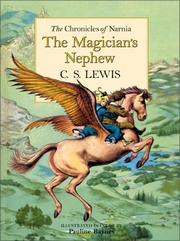 The Magician’s Nephew
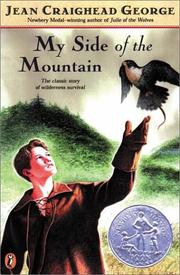 My Side of the Mountain
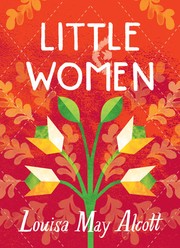 Little Women
 Through the Looking Glass
The Great Hall
The Logic Stage · Sixth through Eighth Grade
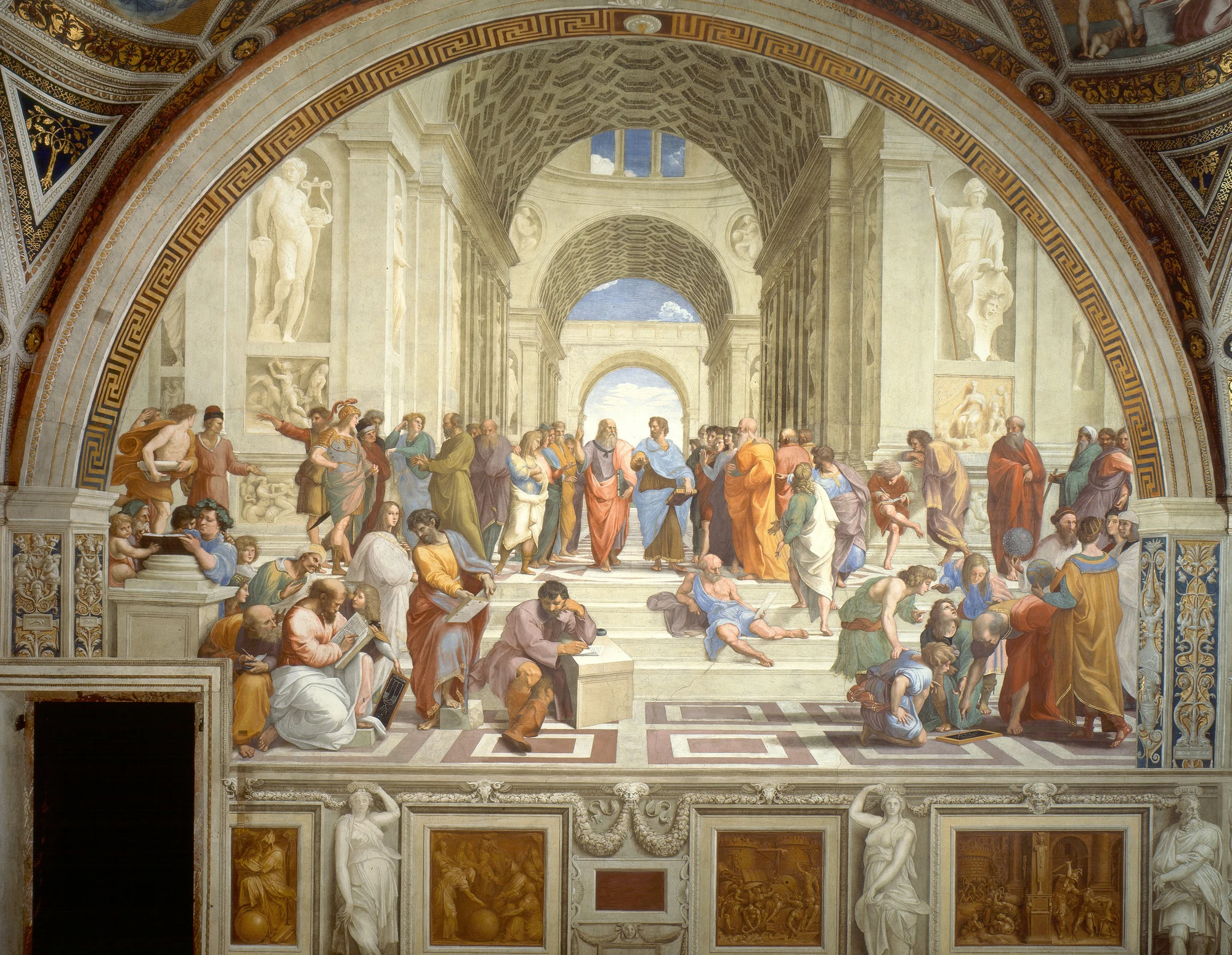
In the Logic Stage, stories give way to arguments. These books do not merely entertain — they confront. Students meet moral complexity, historical consequence, and the first great works of the Western canon.
A sixth grader who reads The Hobbit is not the same student who read The Lion, the Witch and the Wardrobe two years earlier. She reads now with an eye for structure, for motive, for what the author chose not to say. By eighth grade, she is reading Beowulf and To Kill a Mockingbird — and she is ready for them.
Shakespeare enters here. So does Dickens. So does the medieval world of knights and quests and honor codes that still govern the moral imagination of the West. These are the years when a reader becomes a thinker.
 Shane
Shane
 The Wind in the Willows
 Anne of Green Gables
 The Adventures of Tom Sawyer
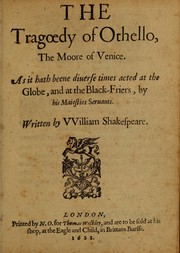 A Comedy of Errors
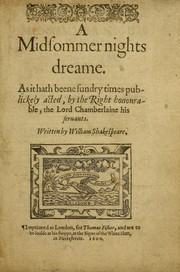 A Midsummer Night’s Dream
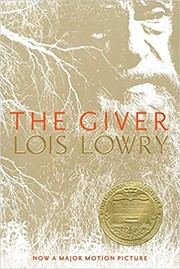 The Giver
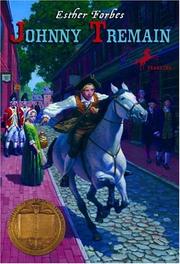 Johnny Tremain
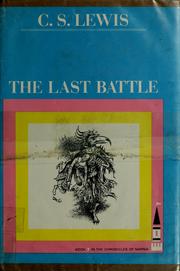 The Last Battle
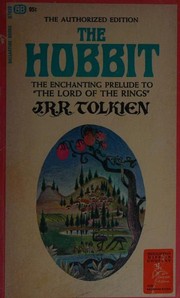 The Hobbit
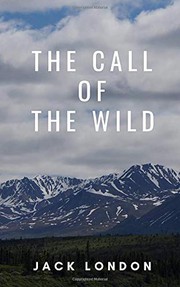 The Call of the Wild
 A Christmas Carol
 Julius Caesar
 Tales of the Greek Heroes
 The Miracle Worker
 The Pearl
 Great Expectations
 Twenty Thousand Leagues Under the Sea
 Fahrenheit 451
 The Count of Monte Cristo
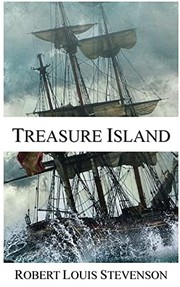 Treasure Island
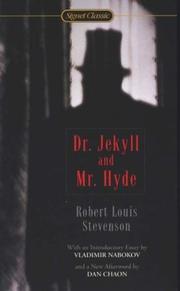 Dr. Jekyll and Mr. Hyde
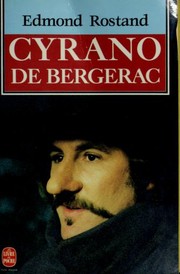 Cyrano de Bergerac
 Sherlock Holmes
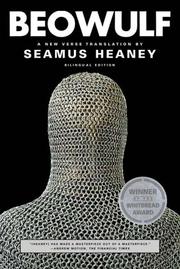 Beowulf
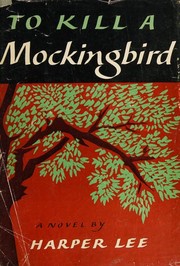 To Kill a Mockingbird
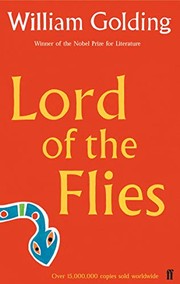 Lord of the Flies
 Sir Gawain and the Green Knight
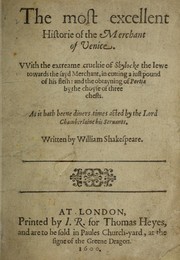 The Merchant of Venice
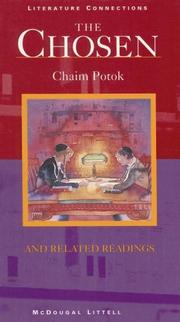 The Chosen
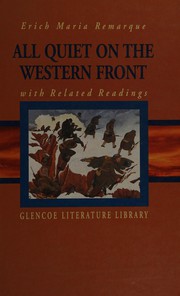 All Quiet on the Western Front
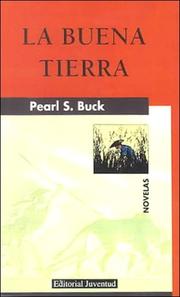 The Good Earth
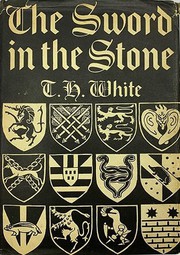 The Sword in the Stone
King Arthur: Tales from the Round Table
The Sword in the Stone
King Arthur: Tales from the Round Table
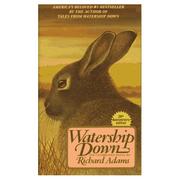 Watership Down
The Canterbury Tales
Watership Down
The Canterbury Tales
 The Lord of the Rings
 The Hiding Place
The Scholar’s Study
The Rhetoric Stage · Ninth through Twelfth Grade
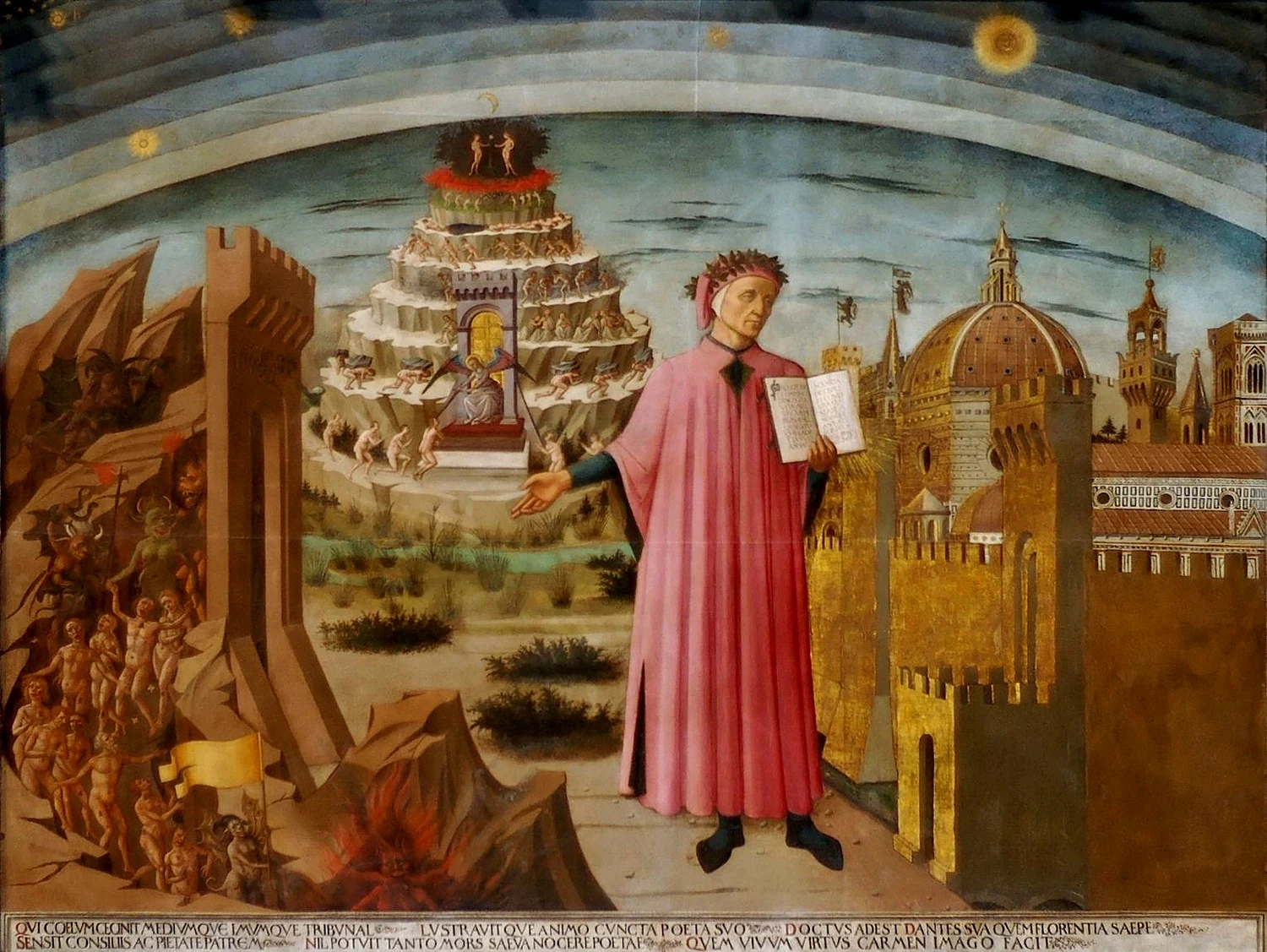
The Rhetoric Stage is where students meet the primary sources — Homer, Plato, Aristotle, Dante, Shakespeare, Dostoevsky. These are not abridged. They are not excerpted. They are read whole, discussed in Socratic seminar, and defended in thesis.
A ninth grader reads Hawthorne and Hemingway and learns what it means to be American. A tenth grader reads Austen and Dostoevsky and discovers that Europe produced both the Enlightenment and its most devastating critics. An eleventh grader reads Homer and Plato in the order the Greeks themselves would have, and a twelfth grader reads Dante, Milton, and Aquinas — and asks whether the whole tradition holds together.
These are the books that made the civilization. A student who has read them is not merely educated. She is equipped to enter any conversation, any university, any vocation — because she has already met the ideas that every serious person eventually encounters.
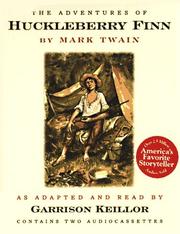
The Adventures of Huckleberry Finn
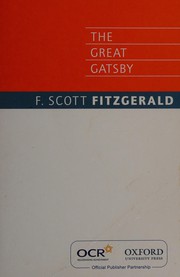 The Great Gatsby
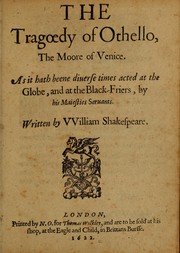 Othello
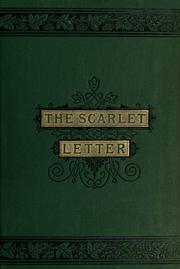 The Scarlet Letter
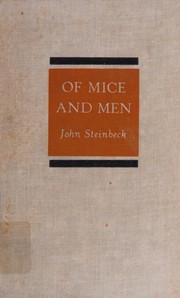 Of Mice and Men
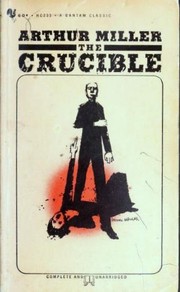 The Crucible
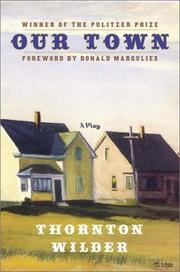 Our Town
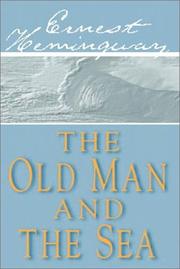 The Old Man and the Sea
 Democracy in America
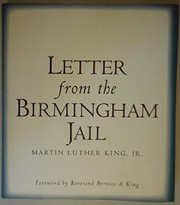 Letter from Birmingham Jail
 Antigone
 Narrative of the Life
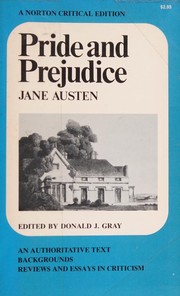 Pride and Prejudice
 Discourse on Inequality
 A Tale of Two Cities
 Crime and Punishment
 Henry V
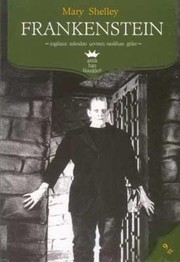 Frankenstein
 One Day in the Life of Ivan Denisovich
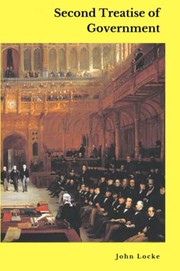 Second Treatise of Government
 A Good Man Is Hard to Find
 The Abolition of Man
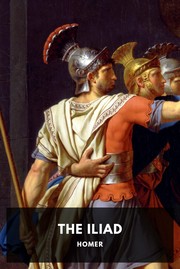 The Iliad
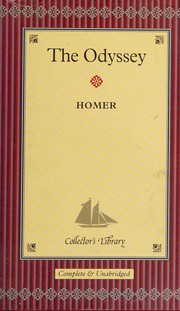 The Odyssey
 The Republic
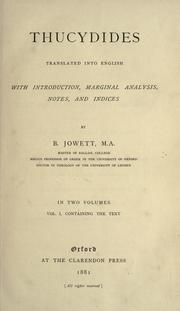 History of the Peloponnesian War
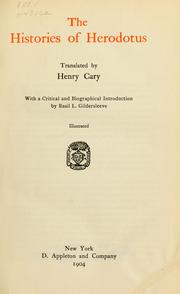 The Histories
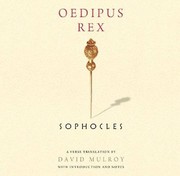 Oedipus Rex
 Oedipus at Colonus
 The Eumenides
 Poetics
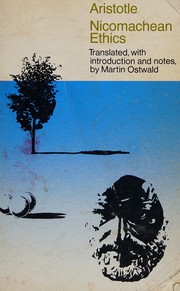 Nicomachean Ethics
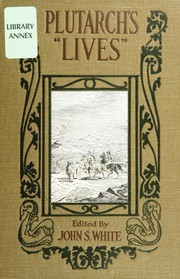 Lives
Lives
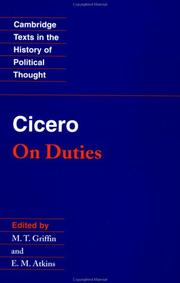 On Duties
 Apology
 Agamemnon
 Medea
Medea
 Symposium
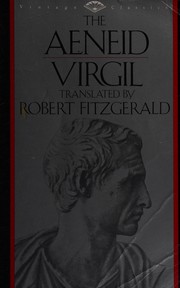 The Aeneid
 The Divine Comedy
 Discourse on Method
 Meditations on First Philosophy
 King Lear
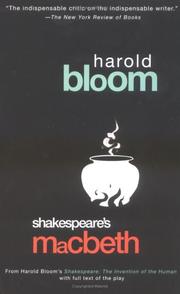 Macbeth
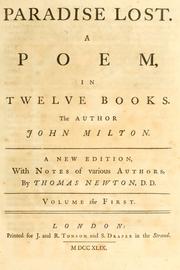 Paradise Lost
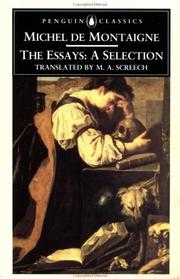 Essays
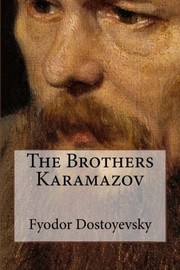 The Brothers Karamazov
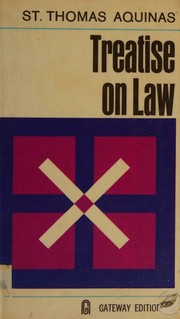 Treatise on Law
 Reason in History
 Confessions
 Orthodoxy
 Eclogues
Begin the Conversation
The Great Books are waiting. So are the teachers who love them. Whether your child is five or fifteen, there is a shelf with her name on it.