Liber Horarum · Anno Domini MMXXV — MMXXVI

Incipit liber dierum & temporum scholae Virtualis

Academic Calendar

Tempus omne Dei est. All time belongs to God. A school year set in order by term, by feast, and by the long quiet of rest.

180 Days 36 Weeks Four Quarters
To everything there is a season, and a time for every matter under heaven.
— Ecclesiastes 3:1

The Shape of the Year
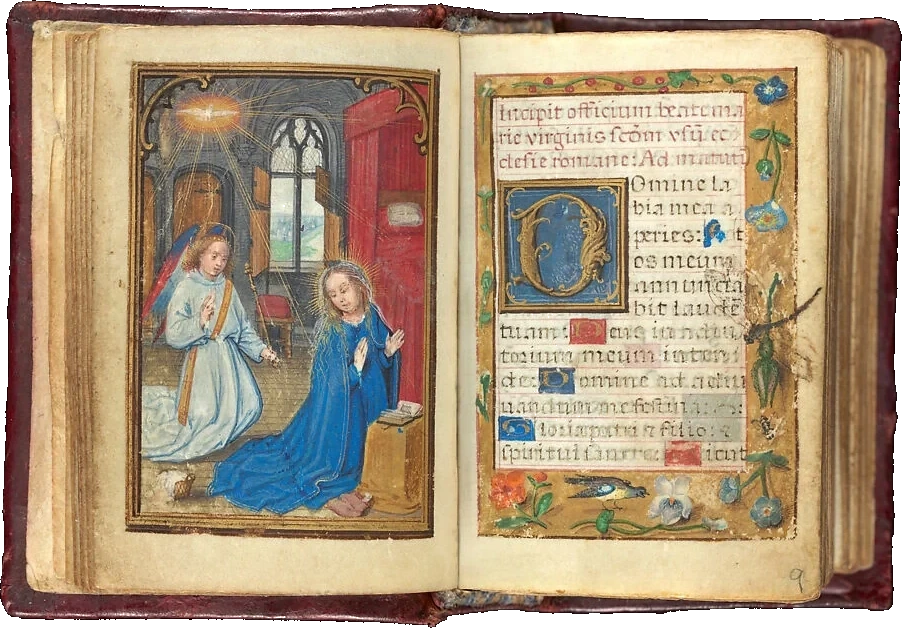

A medieval Book of Hours illumination depicting the classical school year

Annus unus, mensis duodecim, hebdomades triginta et sex, dies centum et octoginta. One year, twelve months, thirty-six weeks, one hundred and eighty days. The Virtualis school year is 180 instructional days across 36 weeks, ordered around the classical rhythm of term, feast, and rest.

A school year should not be a sprint, and it should not be a slog. It should be a well-paced pilgrimage — long enough to cover real ground, short enough to be lived one day at a time. Ours is.

Our calendar mirrors the structure used by classical schools across the country and honors the liturgical seasons that have shaped Christian education for centuries: ordinary time for ordinary work, feast days for rest and celebration, and the slow return of Advent and Lent to reorient the heart. Tempus redemptio est — time is a redeemed thing, and the year itself can teach.

The table below shows the shape of the Virtualis year — a shape that holds from one year to the next. Specific dates for each academic year are published in advance on the Important Dates page and in our newsletter.

Instructional Hours by Grade Band


Virtualis Arizona meets and exceeds the instructional hour requirements set by Arizona Revised Statute § 15–802. Hours below are rounded up and reflect the full school year.

712 Annual hours, Grades K–3
890 Annual hours, Grades 4–8
900 Annual hours, Grades 9–12
180 Instructional days per year

Source: Arizona Revised Statute § 15–802. Virtualis complies with all Arizona instructional hour requirements. Weekly averages: approximately 20 hrs (K–3), 25 hrs (4–8), and 25 hrs (9–12).

A Year at a Glance


The Virtualis school year unfolds in four quarters, anchored by the rhythms of the classical and Christian calendar. Specific dates are published in advance; the structure below is the same every year.

Quarter Window Focus Closes With
Q1 — Fall9 weeks Mid-August through early November New routines, fresh reading lists, the slow work of building the habits of a classical learner. Quarter reports & Thanksgiving Break
Q2 — Advent8 weeks After Thanksgiving through mid-December A shorter, quieter quarter oriented toward Advent: waiting, preparation, and the coming of the light. Semester exams & Christmas Break
Q3 — Lent10 weeks Early January through late March The longest and steadiest stretch of the year, carrying through Lent and Easter. Deep reading and sustained writing. Quarter reports & Holy Week
Q4 — Paschaltide9 weeks After Easter through late May or early June Final exams, senior thesis defenses, capstone celebrations, and the close of the academic year. Commencement & summer rest
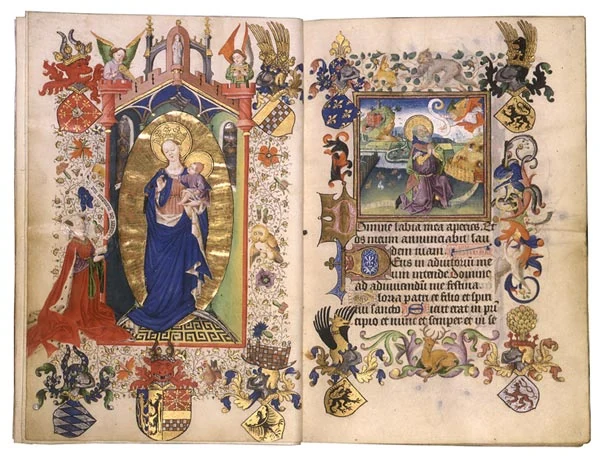
A leaf from the Hours of Catherine of Cleves, a 15th-century Dutch Book of Hours
Plate — Horae Catharinae de Cleves The Hours of Catherine of Cleves A leaf from one of the most celebrated illuminated Books of Hours, Utrecht, ca. 1440. Its rubricated calendar pages marked the feast days of the liturgical year for a lay reader — the same shape our year still takes.

Live Calendar


The current month, refreshed automatically. Hover an event for the full title; click any day to view its detail. Subscribe with iCal to receive every published event in your own calendar app.

📅 Subscribe with iCal · 🖨 Printable month

The Liturgical Rhythm


Why the school year bends around the Church year

A classical education is not a neutral timetable. It is a formation in the moral imagination, and the Christian calendar is a primary teacher of that imagination. Our year moves through four great seasons that shape what we read, when we rest, and how we mark time together.

Ordinary Time

August — Advent. Ordinary work, ordinary virtue.

Advent & Christmas

Waiting, arrival, light in winter.

Lent

Discipline, repentance, the long climb.

Easter

Paschaltide, joy, completion, sending forth.

Holidays and Breaks


Virtualis observes the national holidays common to American schools, along with the Christian liturgical days that have shaped classical education for centuries. No classes are held on these days:

  • Labor Day — early September
  • Thanksgiving Week — Wednesday through Friday of Thanksgiving week
  • Christmas Break — mid-December through Epiphany (early January)
  • Martin Luther King Jr. Day — third Monday of January
  • Presidents’ Day — third Monday of February
  • Holy Week — Holy Thursday through Easter Monday
  • Memorial Day — last Monday of May

Specific dates for each academic year are published on the Important Dates page as they are finalized. Parents and students also receive the full calendar through the newsletter and the family portal.

Frequently Asked Questions


How many instructional days are in the Virtualis school year?
+
The Virtualis school year is 180 instructional days across 36 weeks, which meets and exceeds Arizona state requirements under A.R.S. § 15–802. Annual instructional hours are approximately 712 for grades K–3, 890 for grades 4–8, and 900 for grades 9–12.
When does the school year start and end?
+
Classes typically begin in mid-August and end in late May or early June. Specific start and end dates for each academic year are published on the Important Dates page well in advance.
Do you observe Christian feast days?
+
Yes. The Virtualis calendar observes Holy Week, Christmas through Epiphany, and the rhythms of Advent and Lent. We are a Christian classical academy rooted in the Catholic intellectual tradition, and our calendar reflects that.
Is there summer school?
+
Virtualis offers optional summer enrichment programs. See our Summer Enrichment page for details. Summer programs are not required and do not count toward the 180-day school year.
How do I get the full calendar?
+
The full academic calendar with specific dates is available on the Important Dates page and is sent to all enrolled families. Prospective families can request a copy by contacting our admissions team.

Ready to Begin?

The rhythm of the school year is the rhythm of formation. Enroll your student in the next Virtualis term and begin the classical pilgrimage.