The Christian Classical School Built for Everyone
An ESA-approved K–12 classical academy — Great Hearts academics, holistic formation rooted in faith, and telemedicine care, all from home.
Enroll Now for 2026–2027Limited seats available · Enrollment open for Fall 2026
On reading this website
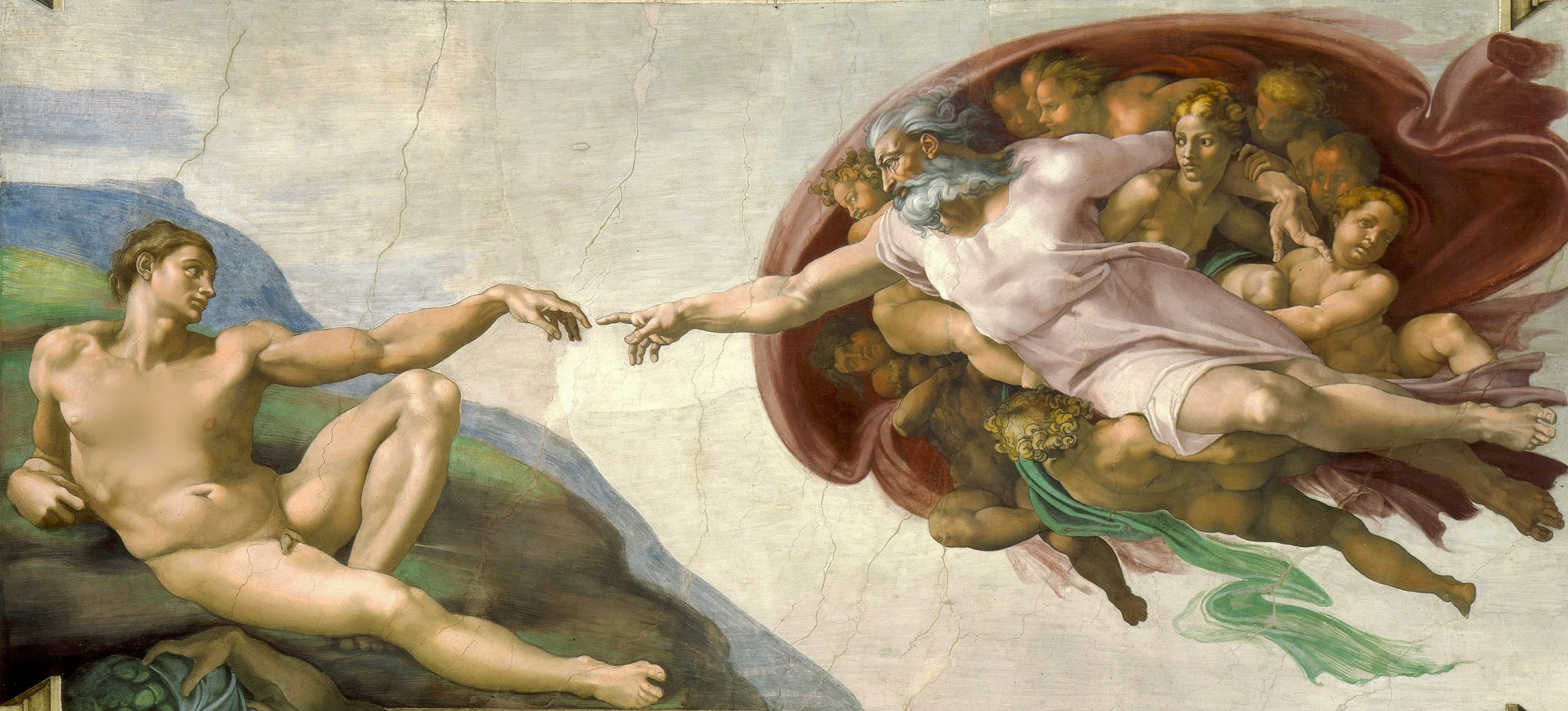
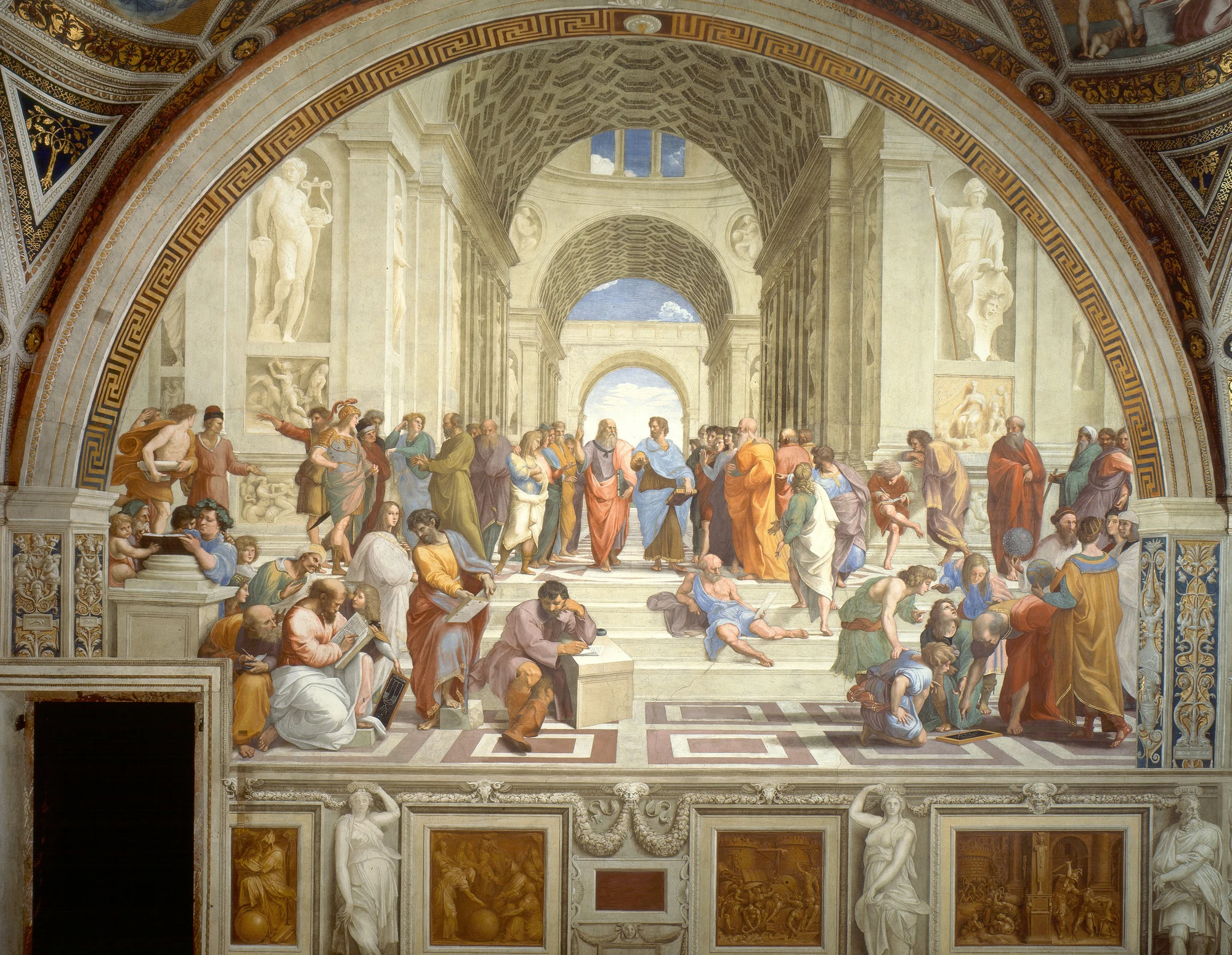
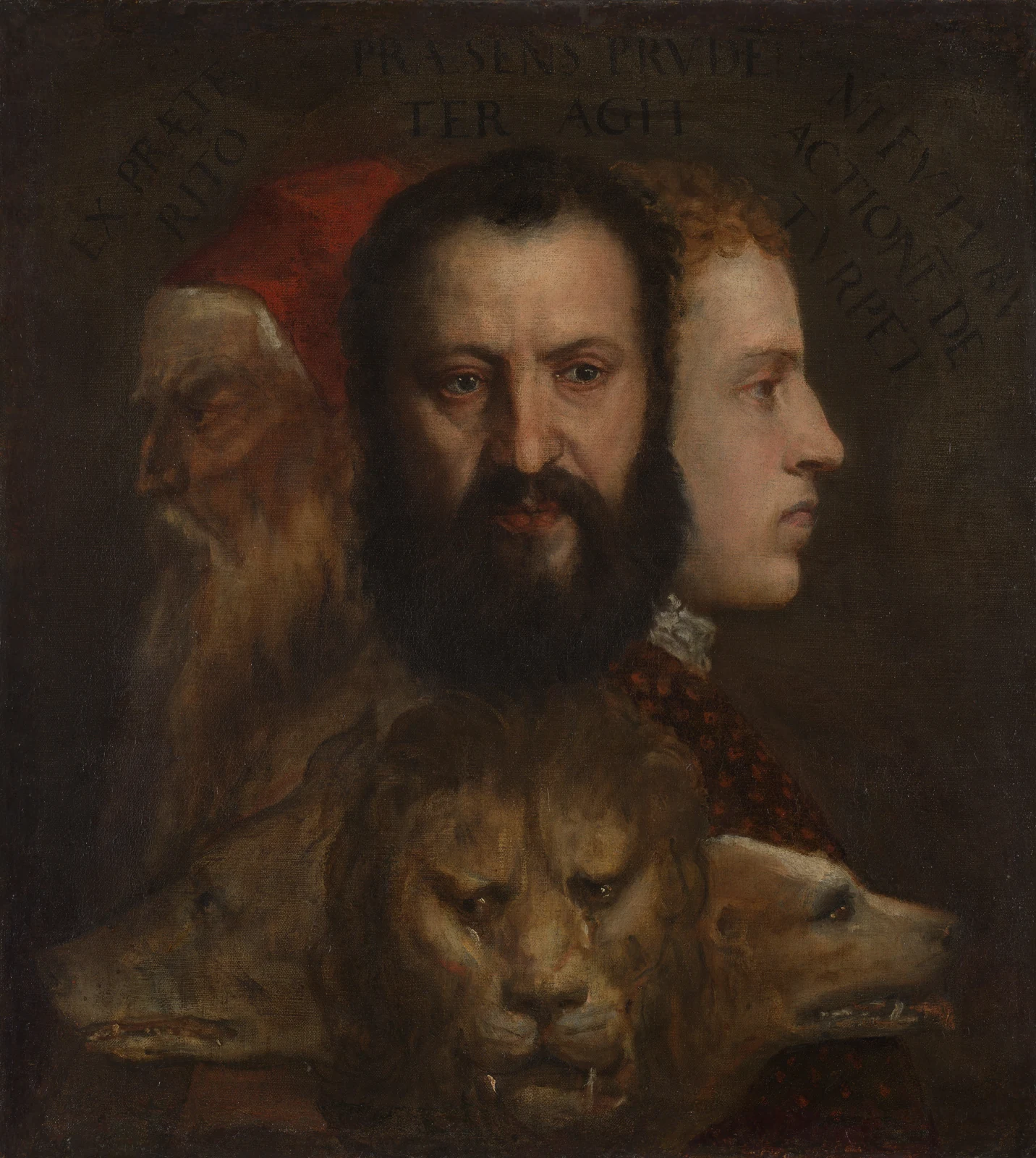
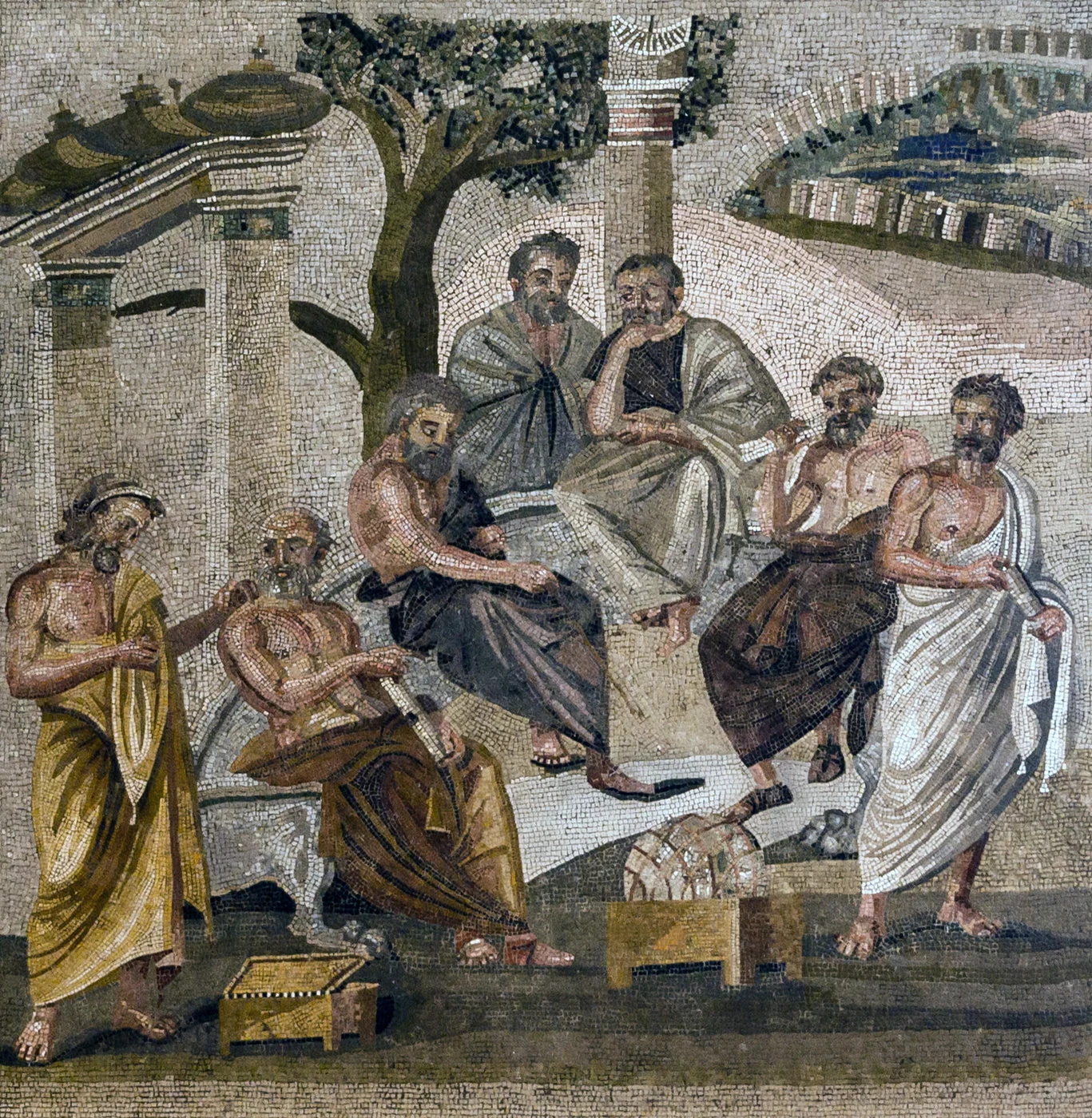
Virtualis is a school, and this website is the first room of it. Every page is built the way we would build a lesson — around real artifacts from the classical and Christian tradition, paired deliberately with the text beside them. Every painting, mosaic, sculpture, manuscript, Scripture verse, and classical poem on every Virtualis page is clickable: click to read the curator’s remarks — and in the case of Scripture or poetry, to see the broader passage or the full poem in context. The Greek word scholē (σχολή) means leisure in the classical sense — the time freed for the contemplation of what is true, good, and beautiful — and a schola is where that happens in community. We curate this website because we take the reader to be a lifelong learner, not a customer, and because the work of a school does not belong only inside a classroom.
Continue reading · on how to read this website▸
Why a school bothers to curate its entire website. The word school comes from the Greek scholē (σχολή) — meaning leisure, in the classical sense of time freed for the contemplation of what is true, good, and beautiful. A schola is a place where that happens in community. We believe every human being — regardless of age, background, or occupation — is a lifelong learner and a natural appreciator of art and tradition. So we have curated not this one page but every page of this website the way we would curate a classroom: not to lecture you, but to discover alongside you.
How to read this website. You will notice four things on every page you visit:
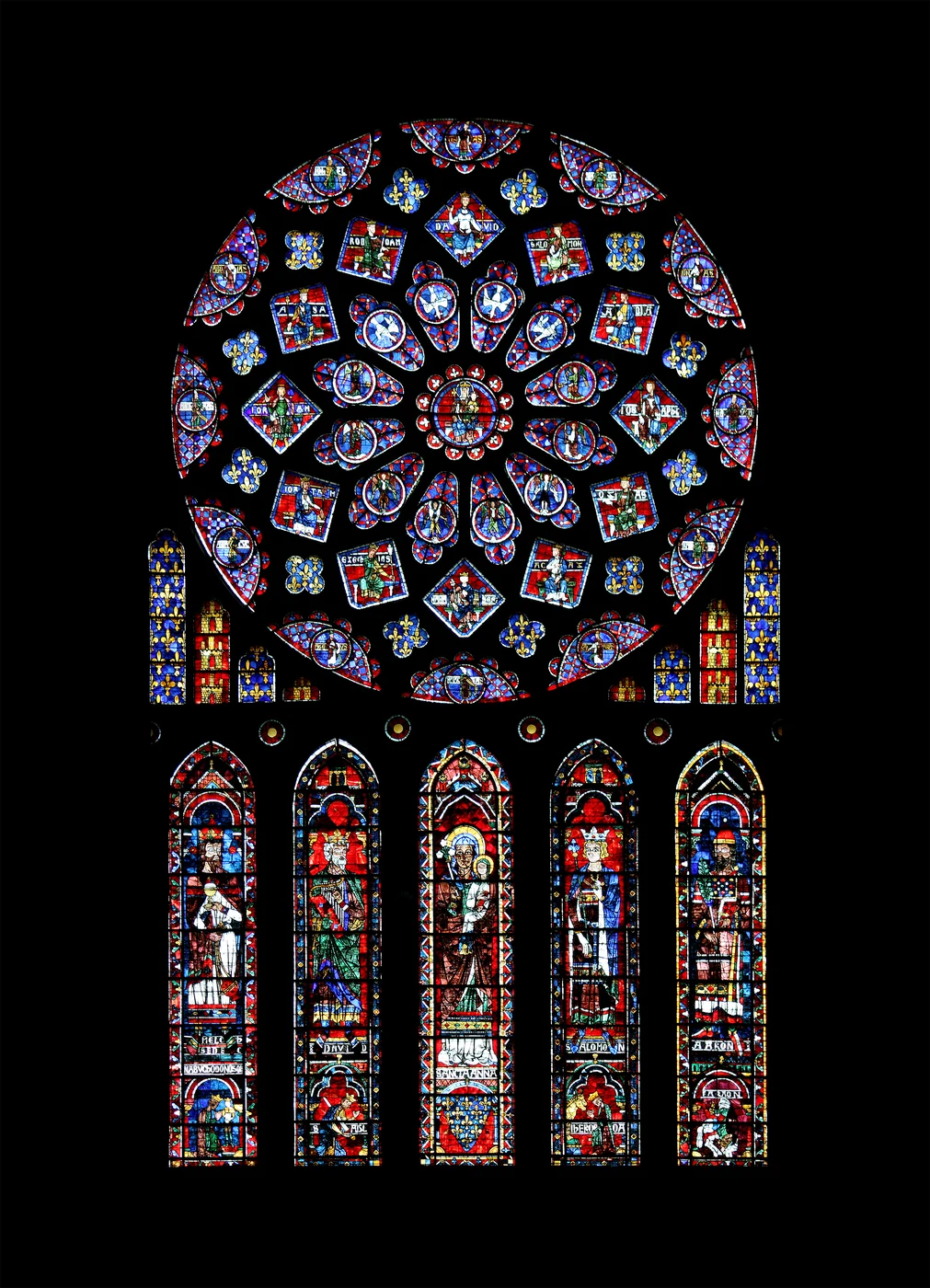
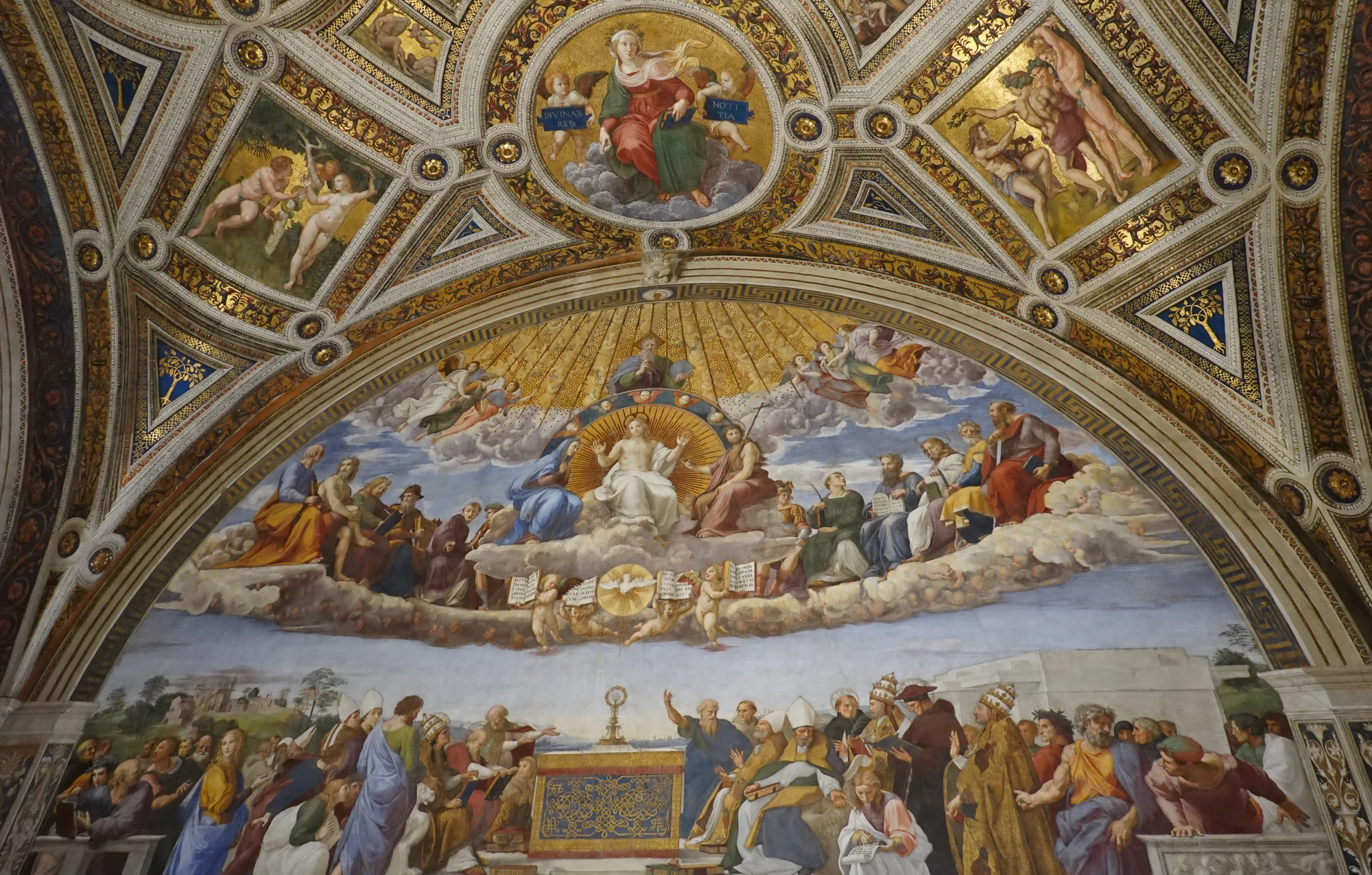
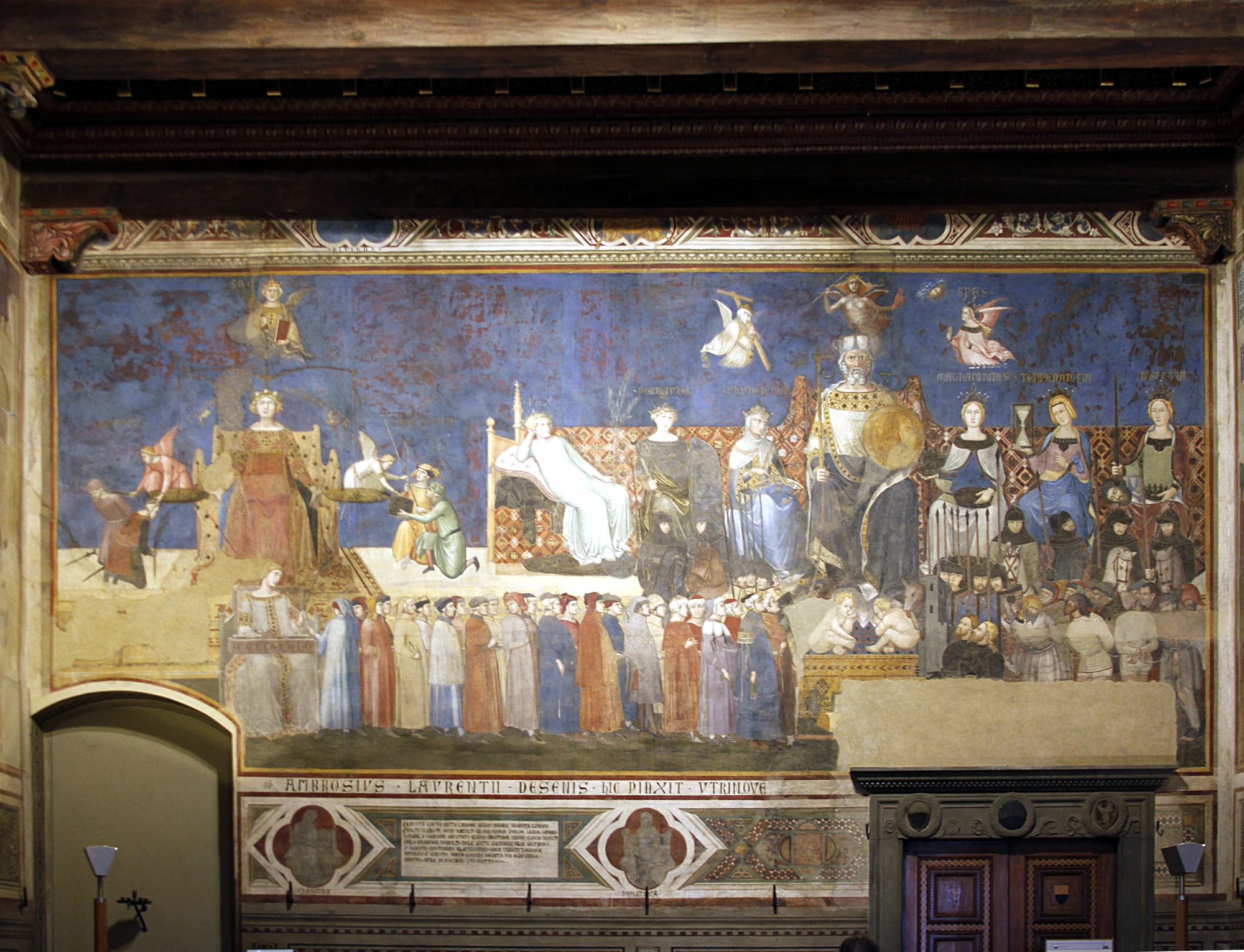
I. Classical artwork, Scripture, and poetry are all clickable. Raphael and Michelangelo, Vesalius and Lorenzetti, the Pompeii mosaics and the Chartres rose windows — these are not decoration. They are the visual grammar of what we believe, and every image on every Virtualis page is paired with the text for a reason. The same treatment applies to the Scripture pull-quotes and the classical poems that appear throughout the site: click any Scripture verse to see the broader passage in context with the curator’s remarks, and click any poem excerpt to see the full poem with our notes on its author and its classical inheritance. The curator’s job is to make every artifact — painted, carved, sung, or written — speak.
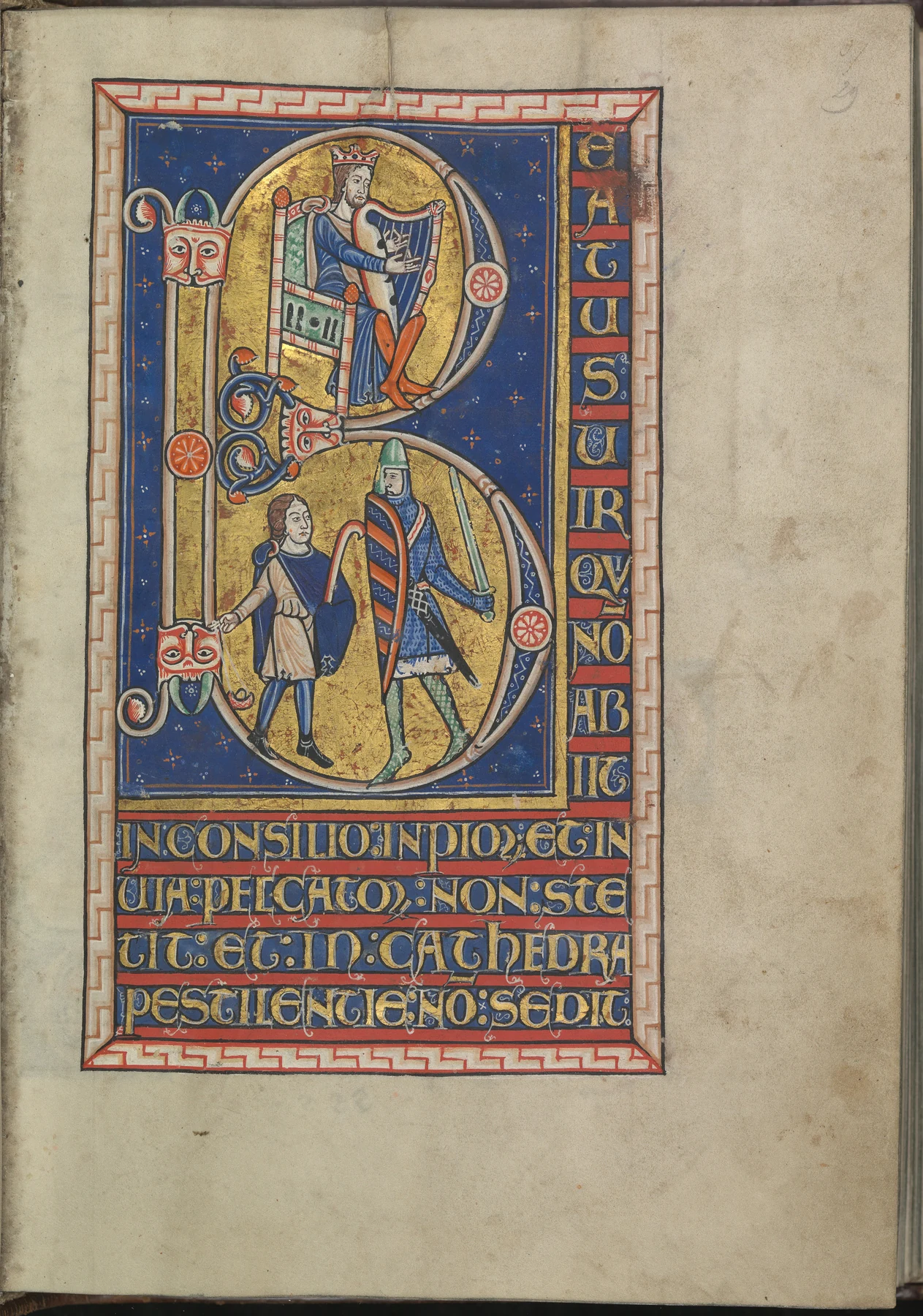
II. We structure every page as a deliberate composition. This home page is arranged in eight movements — in the classical sense of a symphony, where each movement develops a theme and the whole forms one piece. Other pages carry different structures suited to their subject: the calendar is set as a Book of Hours, events as a 19th-century playbill, Catholic Identity as a Byzantine illuminated Psalter, summer as a classical reading pile, student clubs as a heraldic broadsheet, Special Vocations as a Byzantine hagiographic plate. Every page has its own visual argument, and every page is designed to be read, not merely scrolled.
III. We write in the voice of the classical tradition, site-wide. Georgia serif, rubricated initials, Latin mottos, small-caps labels, scripture pull-quotes, occasional Greek and Hebrew — on every page, not only this one. It is the typographic inheritance of every schoolbook written between the printing of the Gutenberg Bible and the arrival of Microsoft Word, and it is how the classical tradition has always presented itself on the page. We want your child to grow up literate in it, and we think you are worth the effort of reading it, too. If it feels unfamiliar at first, stay with it: that is the whole point of a schola.
IV. We cite our sources, every time. Every classical claim on every page is attributable to a real author and a real work — Aristotle’s Metaphysics, Tertullian’s De Praescriptione Haereticorum, St. John Paul II’s Fides et Ratio, Aquinas’s De Veritate, Hugh of St. Victor’s Didascalicon, the Regula Benedicti, Dr. Amy Gilbert Richards on disability and classical education, the Church Fathers, the Scholastics, and the poets. We do not paraphrase a two-thousand-year tradition without naming its sources. If you want to fact-check us against a library, we welcome it.
Every choice you see on this website — the typography, the images, the structure, the citations — was deliberate. Read the pages with that in mind.
— The Curator, Virtualis
This home page is structured in eight movements — in the classical sense of a symphony, where each movement develops a theme and the whole forms one piece. Read in order, or wander freely.
Tertullian asked the question as a challenge. The Catholic intellectual tradition has been answering it for two thousand years: everything.
Virtualis stands inside that answer — a Christian classical school rooted in a four-fold civilizational inheritance, powered by the live Great Hearts Online academics, and gathered around the conviction that every child is made in the imago Dei and called to the knowledge and love of the true, the good, and the beautiful.
We do not choose between reason and revelation, between order and freedom, between body and soul. Every subject we teach drinks from all four civilizational inheritances — Athens, Jerusalem, Rome, and Christendom — and every child we receive is taught to read the whole inheritance, because the child was made whole.

Athens
Philosophy · the liberal arts · reason
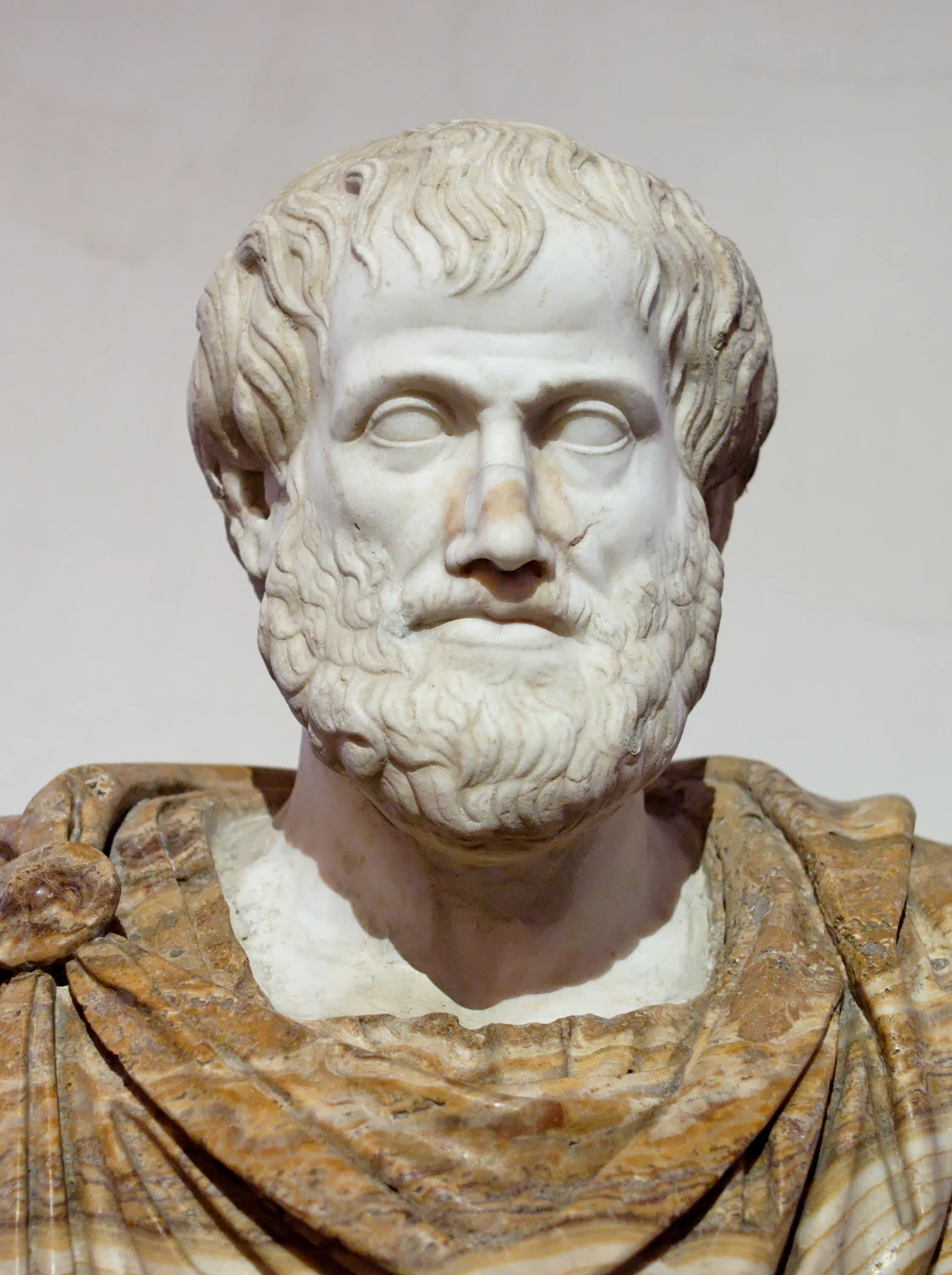
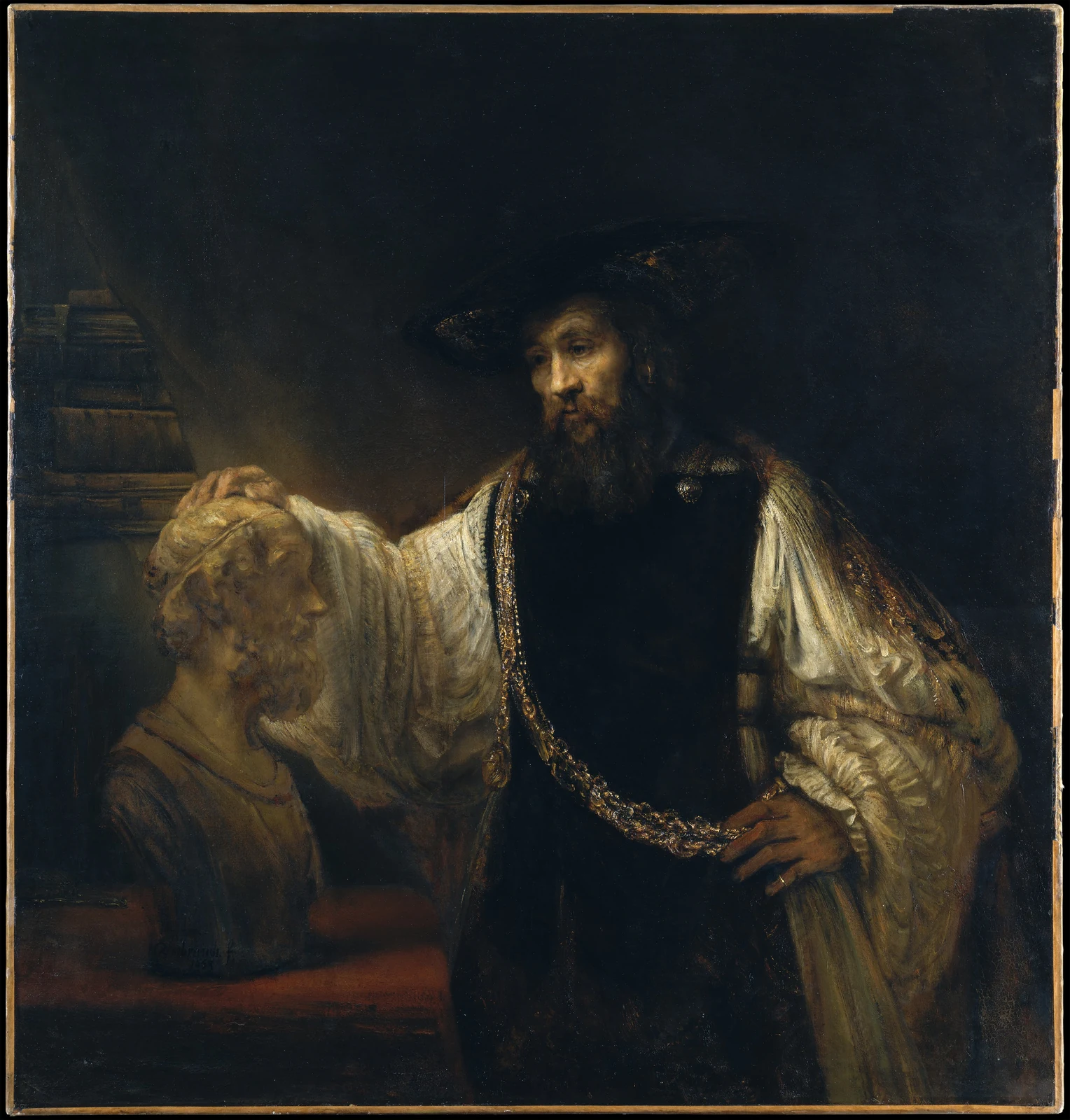
From Aristotle’s opening of the Metaphysics: “All men by nature desire to know.” The conviction that wisdom is the telos of a free human life — not efficiency, not productivity, not credentials.

Jerusalem
Revelation · Sacred Scripture · imago Dei
The revelation that every human person bears the image and likeness of God. The fear of the Lord as the beginning of wisdom (Prov 9:10). Every child is a soul of infinite worth from conception to natural death.

Rome
Law · pietas · the ordered polity
The conviction that justice is rendering to each what is due (ius), that pietas is reverence for those to whom we are bound, and that a free people cares for the weak as a matter of right, not pity.

Christendom
Faith & reason · the sacramental imagination
The thousand-year synthesis under the Latin Fathers and Scholastic masters. St. John Paul II: “Faith and reason are the two wings on which the human spirit rises to the contemplation of truth.” (Fides et Ratio, 1998)
The Classical Inheritance
The seven liberal arts of the free person — the Trivium (grammar, logic, rhetoric, the arts of truth) and the Quadrivium (arithmetic, geometry, music, astronomy, the arts of beauty). Two thousand years of Christian witness have been written in their grammar. The arts of goodness — our own Quintivium — we introduce in full in Movement IV below.
The Trivium · Arts of Truth
Grammar orders the word · Logic orders the thought · Rhetoric orders the persuasion.

“In the beginning was the Word.”— John 1:1
The first art. How language names the world — and how the world has been named from Genesis forward.

“Come now, let us reason together.”— Isaiah 1:18
The art of sound argument — how a Christian mind tests truth, sees contradiction, and thinks in steps.

“Let your speech always be gracious, seasoned with salt.”— Colossians 4:6
Speaking beautifully and persuasively in service of what is true — the final art of the tongue.
The Quadrivium · Arts of Beauty
Number, proportion, harmony, order — the mathematics of creation.

“Thou hast ordered all things in measure and number and weight.”— Wisdom 11:20
Number as the grammar of creation — the art through which the cosmos first becomes legible.

“Let none but geometers enter here.”— Plato’s Academy
The certainty our minds were made for — where proof and wonder are the same gesture.

“Sing to the Lord a new song.”— Psalm 96:1
The classical art of proportion — number made audible, and prayer made beautiful.

“The heavens declare the glory of God.”— Psalm 19:1
The page on which the Creator writes largest — and which the classical student is taught to read.
“The arts are called liberal because they free the soul of the person who learns them from slavery to ignorance.” — Hugh of St. Victor, Didascalicon, II.17
Leonardo da Vinci · L'uomo vitruviano, c. 1490
Vitae Formation
✝ Coming SoonA Virtualis original — a formation curriculum for the whole person, built on the conviction that the body is a temple, not a machine. Christian anthropology, the theology of the body, classical wellness, and the integration of mind, body, and soul under a single pedagogy.
Dr. Dana Rodriguez and the team are authoring it now. When it launches, Vitae Formation — grounded in the Quintivium — will be a core Virtualis subject alongside Math and English Language Arts, required of every enrolled student. Not a supplement, not an add-on: the third leg of the classical liberal arts stool. The Vitruvian Man is Leonardo’s drawing of the body inscribed in a circle and a square — the human person as geometric proof that creation is ordered. Vitae Formation teaches your child to see themselves that way.
The Quintivium
The intellectual foundation of our forthcoming Vitae Formation program.
The classical tradition bequeathed us two pillars of the liberal arts. The Trivium (grammar, logic, rhetoric) is the arts of truth — how the mind learns to speak, argue, and persuade in right order. The Quadrivium (arithmetic, geometry, music, astronomy) is the arts of beauty — how the mind learns to read the order of creation through number. Together these seven arts formed the curriculum of the free person from Athens through the medieval cathedral schools and into the modern university.
At Virtualis we teach a third pillar: the Quintivium — the five arts of goodness, worked out through the human person as imago Dei. Where the Trivium orders the tongue and the Quadrivium orders number, the Quintivium orders the whole person: Body · Mind · Ethics · Theology · Politics, in that order, because — in the phrase Aquinas borrowed from Aristotle — “nihil est in intellectu quod non prius fuerit in sensu,” nothing is in the mind that was not first in the senses. We begin where God began: with the body.
Why this is on the home page. The Quintivium is the intellectual spine of Vitae Formation, the whole-child formation program Virtualis is authoring in-house. You cannot understand Vitae Formation without understanding the Quintivium first. That is why this section is long.

Body
The body as temple. The eleven systems — skeletal, muscular, nervous, cardiovascular, respiratory, digestive, immune, urinary, endocrine, reproductive, integumentary — studied as the physical grammar of the human person. Anatomy taught as revelation, not biology-class trivia.

Mind
The interior life. Perception, memory, emotion, reason — the mind embodied in the flesh, the hylomorphic union of soul and body that Aristotle described in De Anima and Aquinas perfected. How a Christian interior is formed.

Ethics
Virtue made flesh. The four cardinal virtues — prudentia, iustitia, fortitudo, temperantia — worked out as concrete habits of bodily life: stewardship, modesty, moderation, and courage in the face of suffering.

Theology
The body as sacrament. Sacred Scripture, the Church Fathers, St. John Paul II’s Theology of the Body. Why the Incarnation matters to a biology lesson, and why biology matters to a theology class. The two are one conversation.

Politics
The common good of the body politic. Family as the first school, vocation, leadership, healthcare as a work of mercy — how a well-ordered person serves a well-ordered community, from the home to the healing of the stranger.
The Twelve Books
The Quintivium is published as a twelve-volume K–12 textbook series authored by Zeus Rodriguez and Dr. Dana Rodriguez and issued under the Virtualis imprint. One volume per grade. All five arts are woven through every book, and all eleven body systems are revisited every year in a spiral curriculum of increasing depth — Grammar in the early grades (wonder, naming, story), Logic in the middle grades (analysis, case studies, Socratic discussion), Rhetoric in the upper grades (synthesis, primary sources, ethics tribunals).
Each book opens with Sacred Scripture (RSV-CE), centers on a fable or primary source, and closes with a worksheet and prayer. The pedagogical voice shifts from story-and-fable (K–5) to textbook (6+) as the student matures. Latin vocabulary, Greek roots, and historical primary sources — from Aristotle and Augustine to Edith Stein and John Paul II — appear throughout.
Status: The full twelve-volume series is in authoring. It will launch with Vitae Formation, and when it does, the Quintivium will be a required core subject for every Virtualis student — equal in stature to Math and English Language Arts, taking its place as the third pillar of the classical liberal arts (Trivium · Quadrivium · Quintivium). Until then, we do not offer it to enrolled families — and we deliberately do not promise a release date. It will launch when it is ready. Currently coming soon.
A Physician at Home ✓ Available Now
Enrolled Virtualis families in Arizona may access pediatric telemedicine through our partnership with Vitae Health. A faithful physician, available to your family by video visit, without the drive or the waiting room. Great Hearts Online does not offer anything like this.
Jan Steen painted The Doctor’s Visit in the Dutch Golden Age — the physician in the family’s home, hand on the pulse of a sick child, with the whole household gathered around the bed. That is the picture we want to restore, at the speed of a video call.
- Video visits with a faithful Christian pediatrician
- Well-child questions and acute non-emergent concerns
- Documentation support for school accommodations and ESA qualification where appropriate
- Continuity of care — the same clinician across visits, not a random on-call
Availability, eligibility, and scope vary by family and state. Contact our team for specifics.
Jan Steen · The Doctor's Visit, c. 1665
A Day Ordered Like the Cosmos
A Virtualis day is a small version of an ordered cosmos — prayer, study, art, movement, rest — each in its proper hour, each pointing beyond itself.
Sandro Botticelli · St. Augustine in his Study, c. 1480
A Voice from the Tradition
“Thou hast made us for Thyself, O Lord, and our heart is restless until it rests in Thee.”— St. Augustine · Confessions I.1
Augustine is the father of the Catholic intellectual tradition Virtualis stands in. He was a scholar, a pastor, and a restless heart — and he wrote the line above not as theology but as autobiography. We believe every child is that same restless heart. Our job is to point them toward the One who alone can quiet it.
Common Questions
The honest answers parents most often ask us.
More questions? Visit our full FAQ or request a conversation.
Come and See
Every conversation begins the same way: we listen. Tell us about your child, your family, and what you hope for their education. We will tell you honestly whether Virtualis is the right fit — and if it is, we will walk you through enrollment step by step.
Enroll for 2026–2027 Request Info